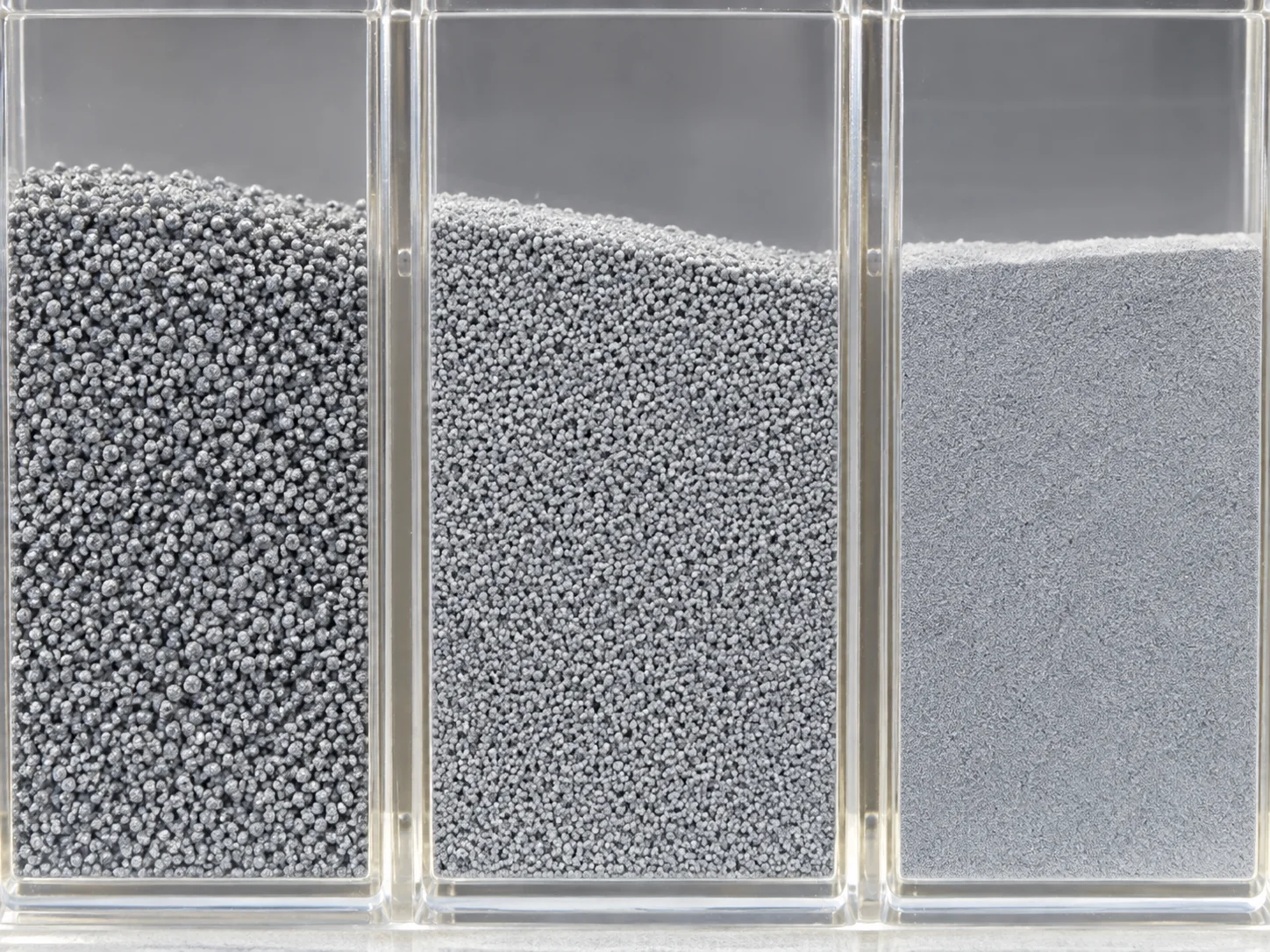

Hollow microspheres can reduce coating density and introduce closed gas-filled spaces. The result depends on fraction, dosage, binder type and mixing intensity.
Why spherical geometry matters
The spherical shape distinguishes microspheres from many irregular mineral fillers. When selected correctly, it can support flow and limit viscosity increase at a given volume loading. This is not independent of the formulation, however: particle surface and binder interactions remain important.
Potential coating benefits
- lower product density and dry-film weight;
- modified heat transfer due to the hollow particle structure;
- improved control of shrinkage and dimensional stability in selected systems;
- the ability to build a thicker layer at controlled weight;
- changes in texture, gloss and surface feel depending on grading.
Common implementation risks
An oversized fraction may reduce smoothness or block a nozzle. Excessive shear can damage hollow particles and reduce the intended benefit. A rapid weight-for-weight replacement of conventional filler may significantly increase volume loading and viscosity.
- add microspheres during a lower-shear mixing stage;
- match maximum particle size to layer thickness and application equipment;
- check sedimentation and stability after storage;
- verify adhesion, mechanical resistance and cured appearance.
Planning the first trial series
A useful starting point is three dosage levels of one fine fraction plus a reference without microspheres. If the surface remains acceptable, compare a neighbouring fraction next. This separates the effect of particle size from the effect of loading level.