Set the baseline
Record the base formula, density, consistency, working time and the mechanical properties the revised formulation must retain.

Fine aluminosilicate microspheres can be evaluated as a lightweight filler in gypsum, cement and cement-lime plasters, skim coats and other construction mixes. Performance must be confirmed in the target formulation.

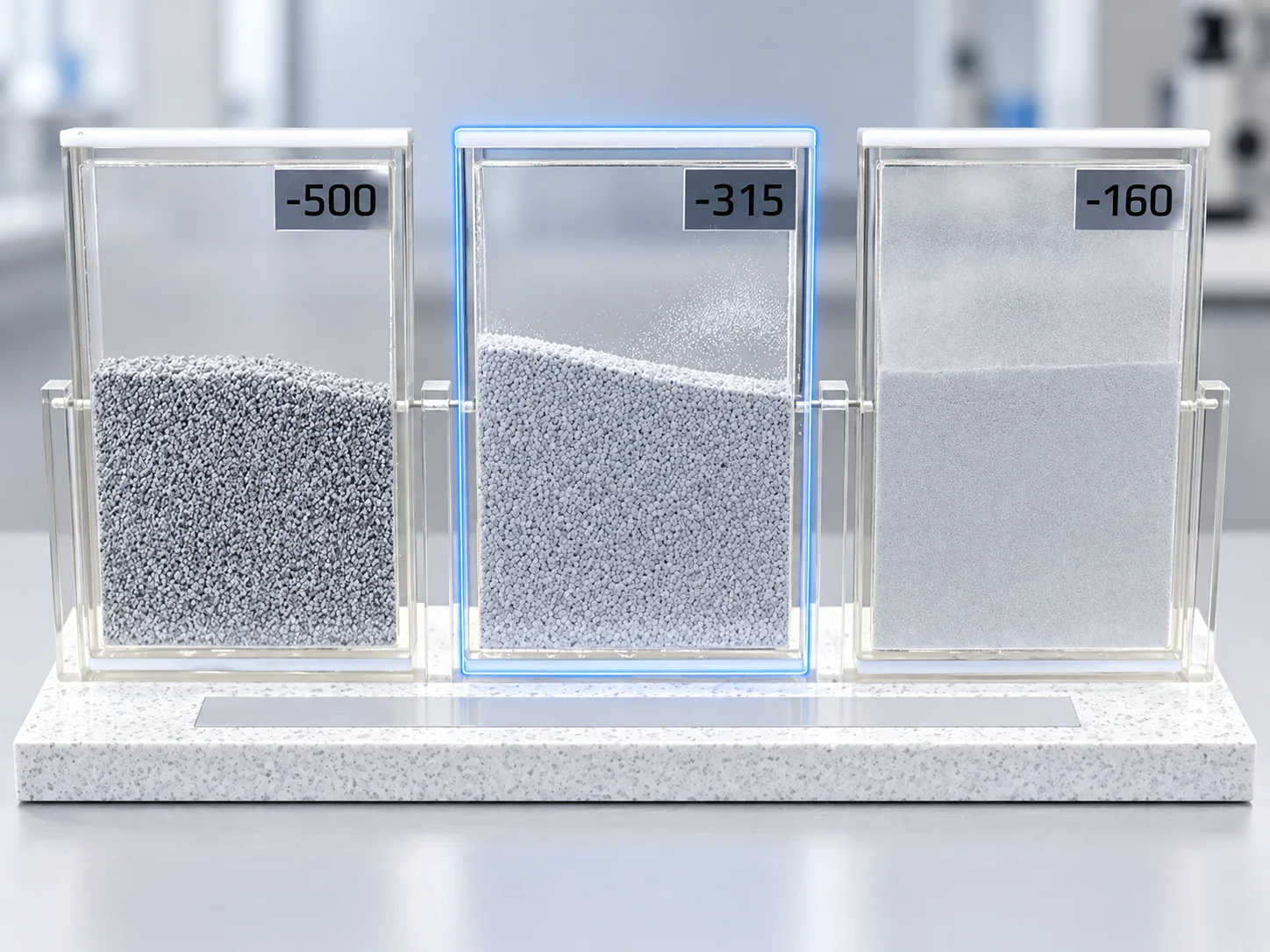
Nominal upper particle size matters in thin layers. The 0–150 µm range is a practical starting point where larger particles could affect application or surface quality. A micrometre range is not the direct equivalent of one mesh number; sieve requirements should be agreed separately.
Comparisons should use controlled volume loading because microspheres have a substantially lower bulk density than conventional mineral fillers. The trial should cover the dry blend, fresh compound and cured material using the intended mixing sequence and intensity.
Four steps make the comparison reproducible when the next material batch is evaluated.
Record the base formula, density, consistency, working time and the mechanical properties the revised formulation must retain.
Compare partial filler replacement by volume rather than mass alone. Prepare at least several dosage levels for evaluation.
Keep addition sequence, time and speed constant. Check that mixing does not compromise uniformity or particle condition.
Compare density, water demand, workability, surface, adhesion and strength after the required curing period.
The final grade must be validated in the target formulation and process. These products provide a practical starting point for trials.
A controlled 63–200 µm E-series grade with a concentrated fine-to-medium particle-size distribution for coatings and composites.
The controlled 63–200 µm range allows a grade with fewer very fine particles to be evaluated in thicker layers.
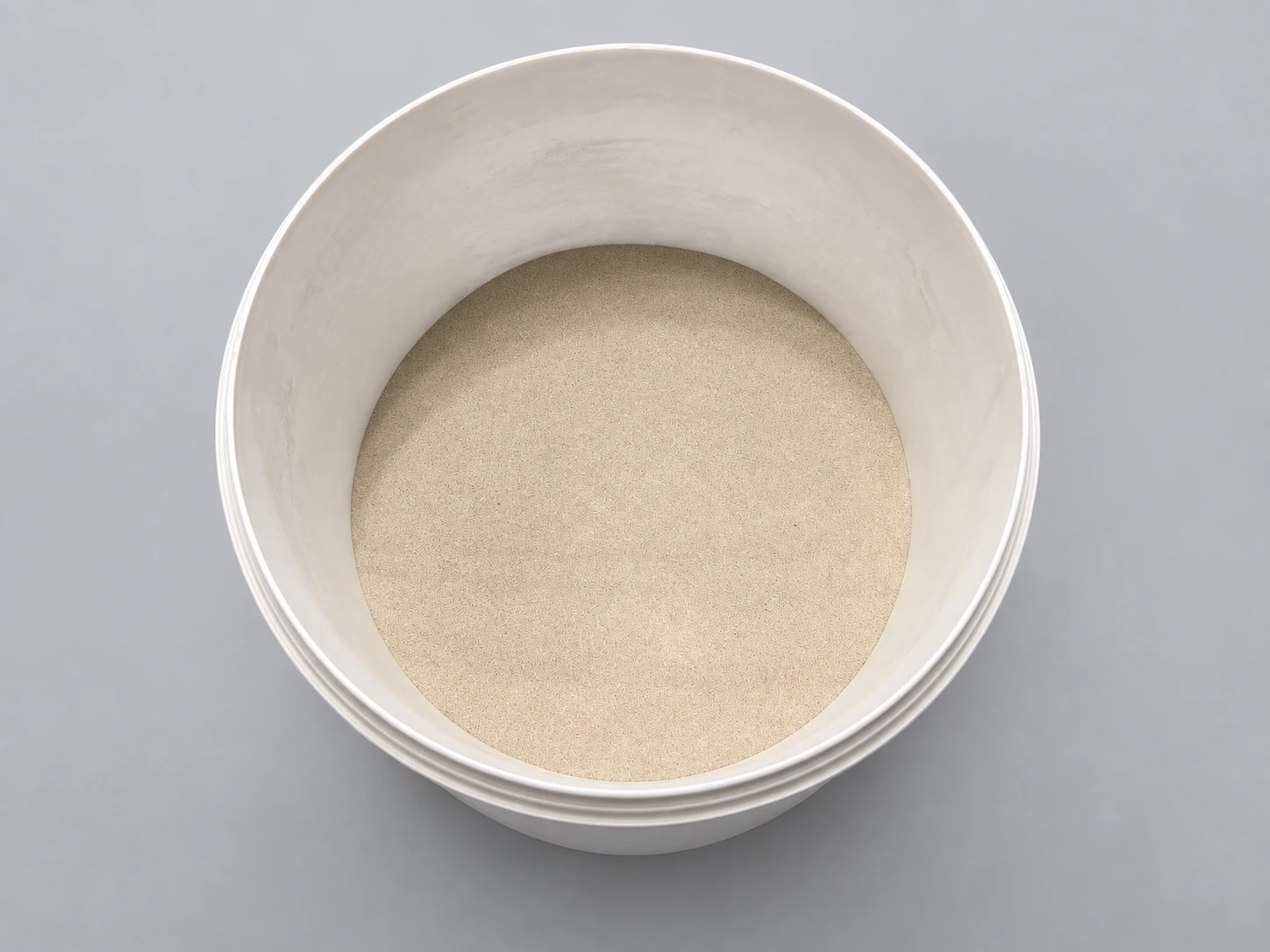
A fine 0–150 µm E-series grade for formulations where a smaller maximum particle size is required.
The 0–150 µm fraction and 0.36–0.44 g/cm³ bulk density provide the primary starting point for fine plasters and compounds with a grey colour profile.
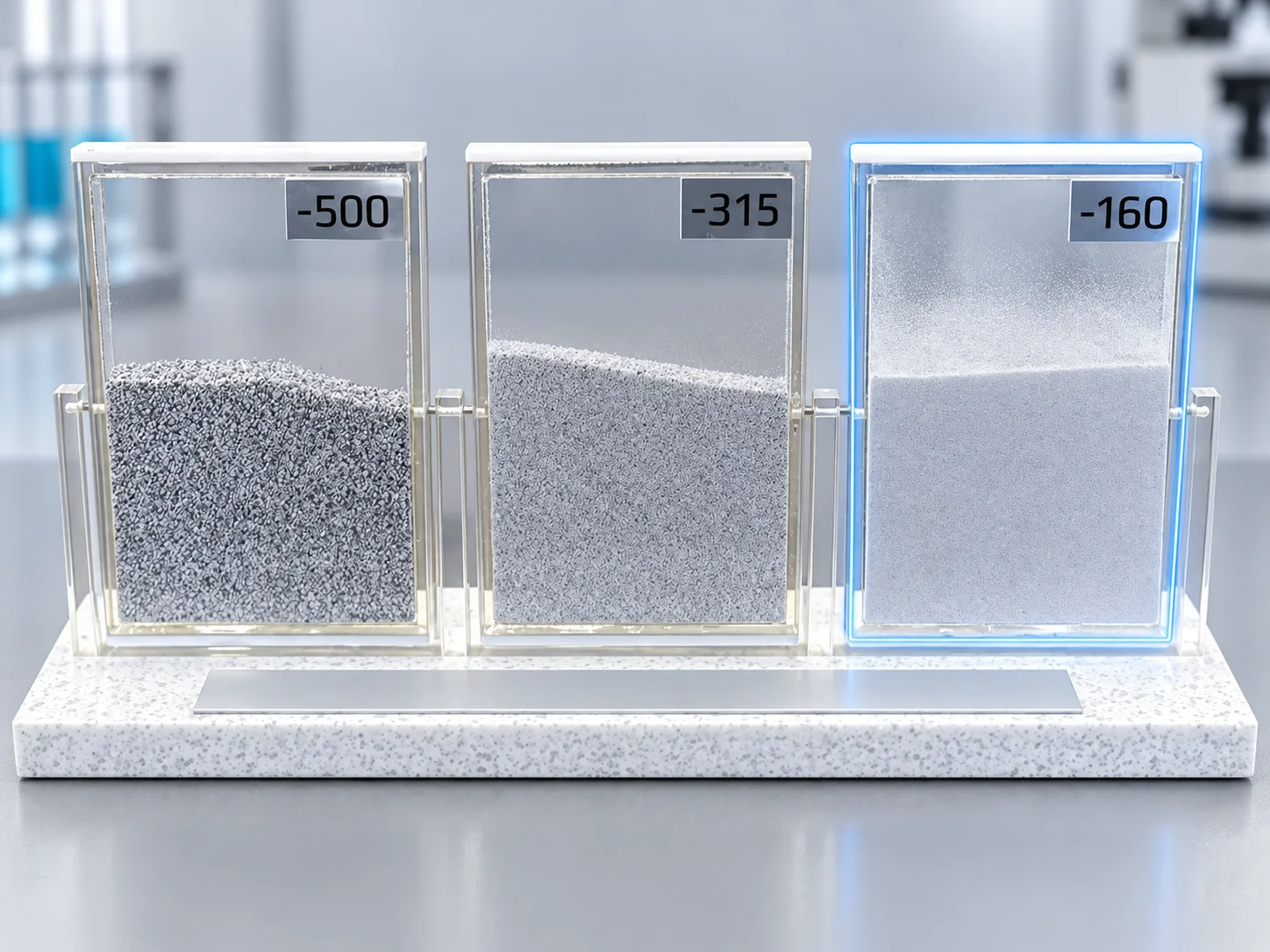
A fine 0–150 µm A-series grade for formulations requiring a smaller maximum particle size and lighter color.
The same fine 0–150 µm fraction with a lighter colour profile enables comparison of the A series in surface-sensitive formulations.
A practical comparison of 0–150, 0–300 and 0–500 µm ranges and the parameters worth checking before application trials.
Read insightTwo similarly named parameters describe different properties. Here is how to interpret them when designing a lightweight formulation.
Read insightA detailed review of an ULCC cenosphere study: composition, test method, residual strength up to 1000°C and implications for fire engineering.
Read insight