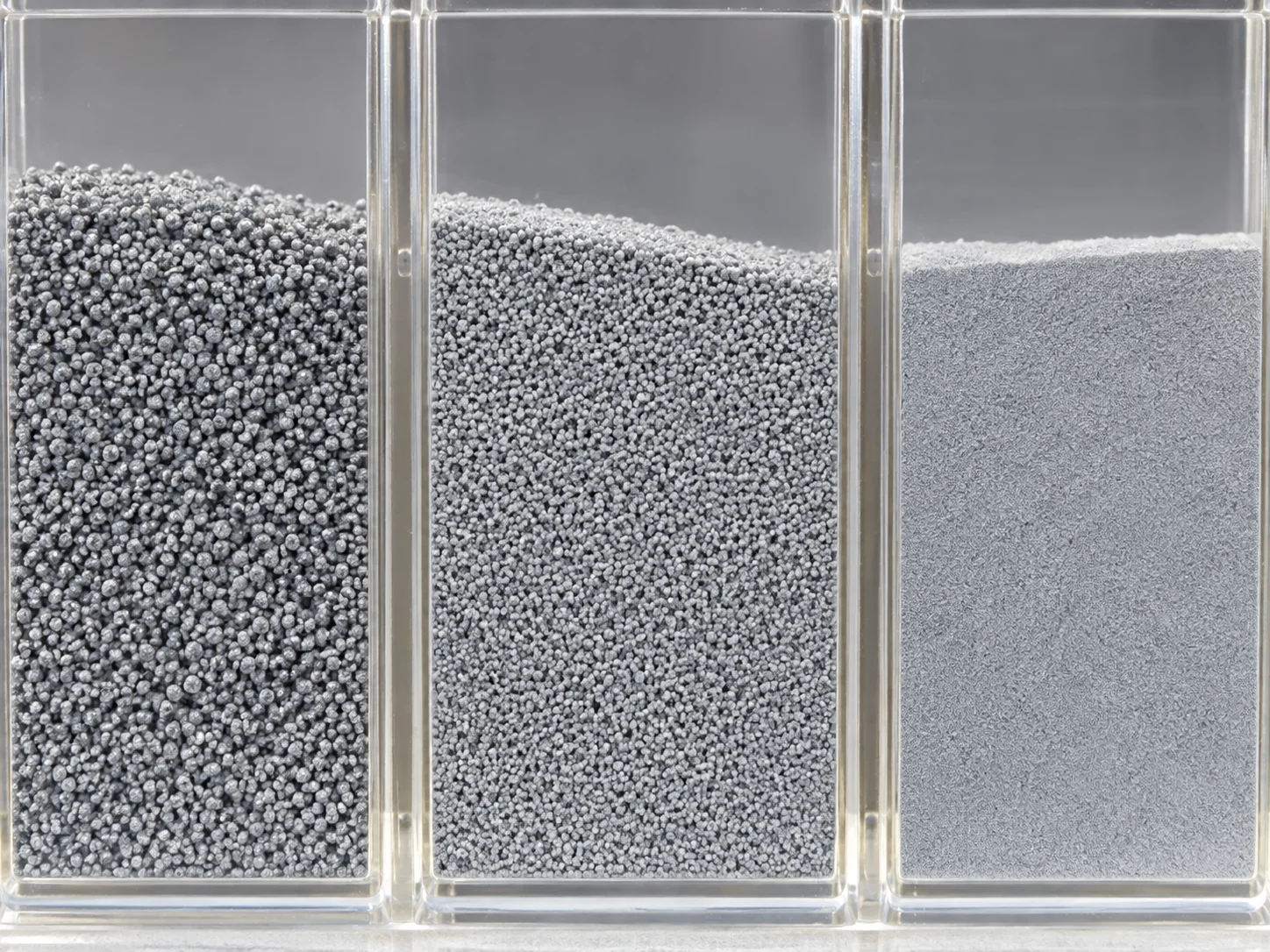
The terms cenosphere, glass microsphere and ceramic microsphere are sometimes used interchangeably, although they do not describe the same material. Differences in origin, composition and strength affect processing and the final formulation.
Microsphere describes a shape, not one raw material
A microsphere is a small particle with an approximately spherical shape. It may be solid or hollow and made from glass, ceramic, polymer or metal. The name alone therefore does not define chemical composition, density or resistance to pressure.
A useful comparison must consider particle structure, chemistry, size distribution, density, damaged-particle content and behaviour in the intended process.
What are cenospheres?
Cenospheres are naturally formed hollow aluminosilicate particles recovered from fly ash produced during coal combustion. Their glass-ceramic shells contain mainly silicon and aluminium compounds, with other constituents depending on the source material and process conditions.
Microscopic and chemical studies show that material from different sources can vary in morphology, shell structure, phase composition and damaged-particle content. Batch control and classification into a defined fraction therefore matter more than the generic trade name alone.
What are hollow glass microspheres?
Hollow glass microspheres are deliberately manufactured from selected glass compositions. Grades can be engineered for a specified particle-size range, density and crush strength. Surface treatments are also available for certain matrix systems.
Manufactured consistency does not make every grade suitable for every process. Particle size, low density and pressure resistance form a technical and commercial trade-off that must be matched to the formulation.
What does “ceramic microsphere” mean?
It is a broad category rather than a precise specification. The term may refer to aluminosilicate cenospheres, manufactured spherical ceramic fillers or solid particles. Buyers should establish whether the material is hollow, what it is made from and which properties were actually measured.
In Spheron materials, the term refers to hollow aluminosilicate microspheres — cenospheres. Properties of arbitrary glass microspheres or synthetic ceramic spheres should not be assigned to them.
The practical differences
There is no universally best microsphere. Cenospheres can be attractive where a lightweight mineral aluminosilicate filler is required, while hollow glass microspheres may be selected when tightly engineered properties of a specific manufactured grade are essential.
- Origin: cenospheres form during combustion and are recovered and classified; hollow glass microspheres are purpose-made.
- Composition: cenospheres have an aluminosilicate shell with natural source variability; glass composition is engineered for a manufactured grade.
- Consistency: batch control is particularly important for cenospheres; manufactured grades must still be checked against their own data sheet.
- Particle strength: it depends on diameter, shell thickness, defects and the shear, pumping and pressure conditions of the process.
- Matrix interaction: surface chemistry, wetting and adhesion matter in addition to particle density.
How should a material be selected?
Start with the function: density reduction, thermal control, processing behaviour or volume modification. Then match process requirements to material data and confirm performance in a trial.
- Particle size: match the fraction to film thickness, nozzle, gap and surface-finish requirements.
- Density: distinguish bulk from true particle density; a kilogram-for-kilogram substitution may change formulation volume substantially.
- Processing: consider shear, pressure, mixing time and addition sequence because hollow particles can break.
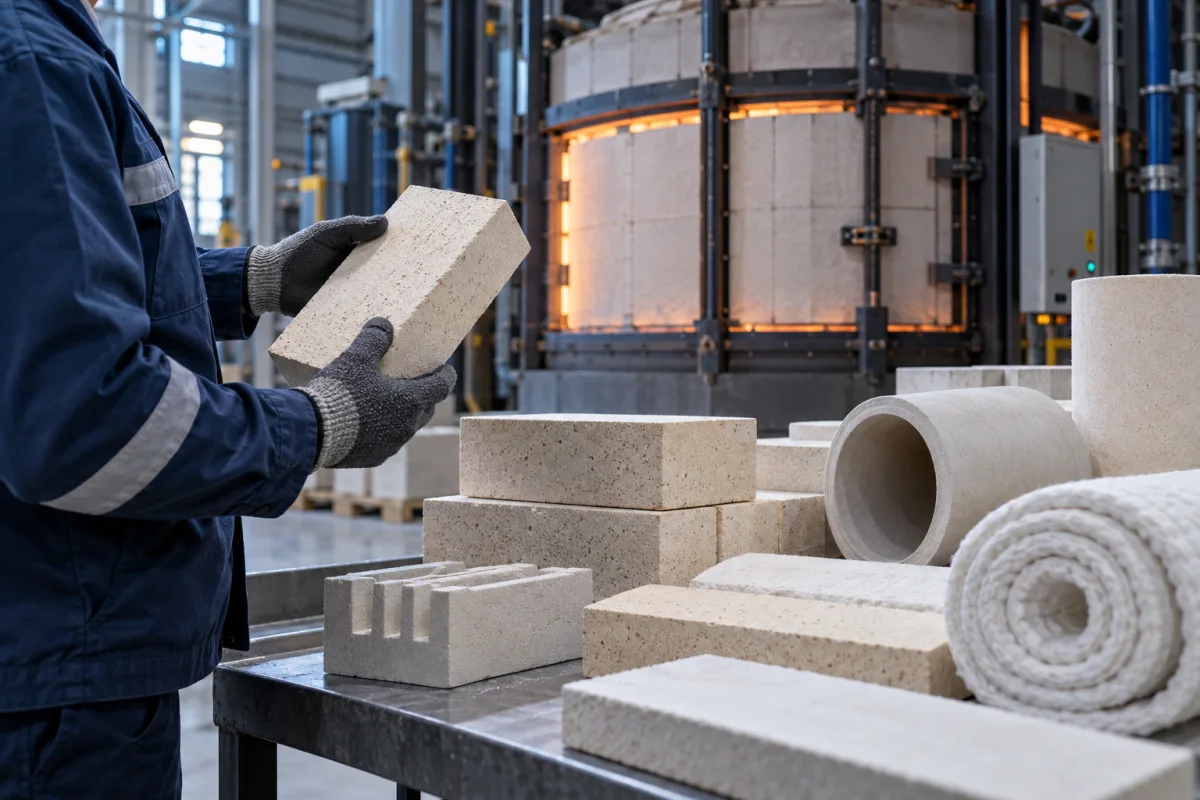
- Service environment: verify temperature, moisture, chemical exposure and colour requirements.
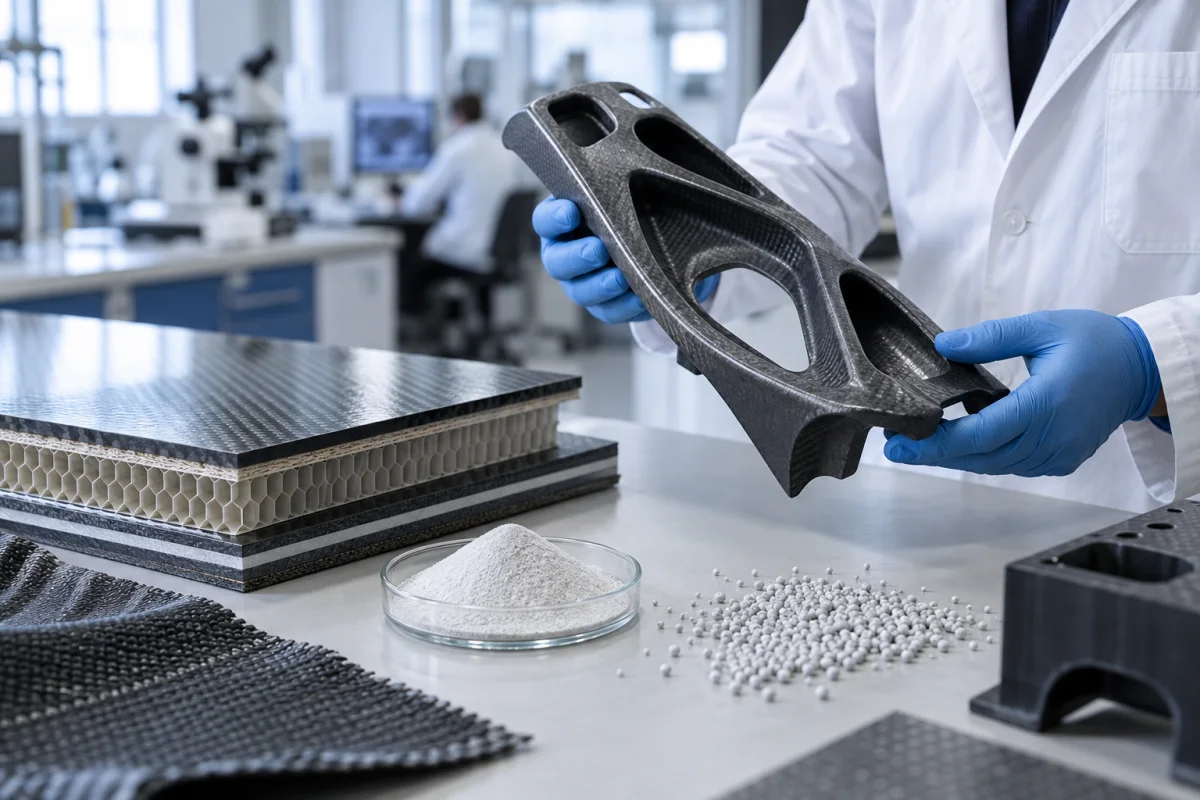
- Validation: compare several loadings and test the finished composite, coating or mortar rather than the raw-material data sheet alone.
Conclusion for formulators and engineers
Cenospheres should not be treated as a cheaper substitute for every hollow glass microsphere, nor should glass microspheres be assumed to be an automatically superior form of cenosphere. They are different lightweight-particle classes whose value depends on the target, process and total system cost.
Spheron supplies classified fractions of aluminosilicate cenospheres. Selection can begin with particle-size range and target density, followed by a sample trial in the customer’s actual formulation.
Frequently asked questions about microsphere types
Are cenospheres the same as hollow glass microspheres?
No. Both are hollow and approximately spherical, but they differ in origin, composition and how their properties are controlled.
Are all ceramic microspheres hollow?
No. The term can include hollow and solid particles of different compositions. Check the specification of the individual product.
Do cenospheres contain a vacuum?
Cenospheres are hollow particles containing gas from their formation. Without specific evidence, they should not be described as vacuum microspheres.
Which material reduces density most effectively?
The result depends on particle density, survival during processing, volumetric loading and every other component of the formulation.
Is a technical data sheet enough for selection?
No. It helps shortlist materials, but performance must be confirmed in the real matrix under the intended processing conditions.