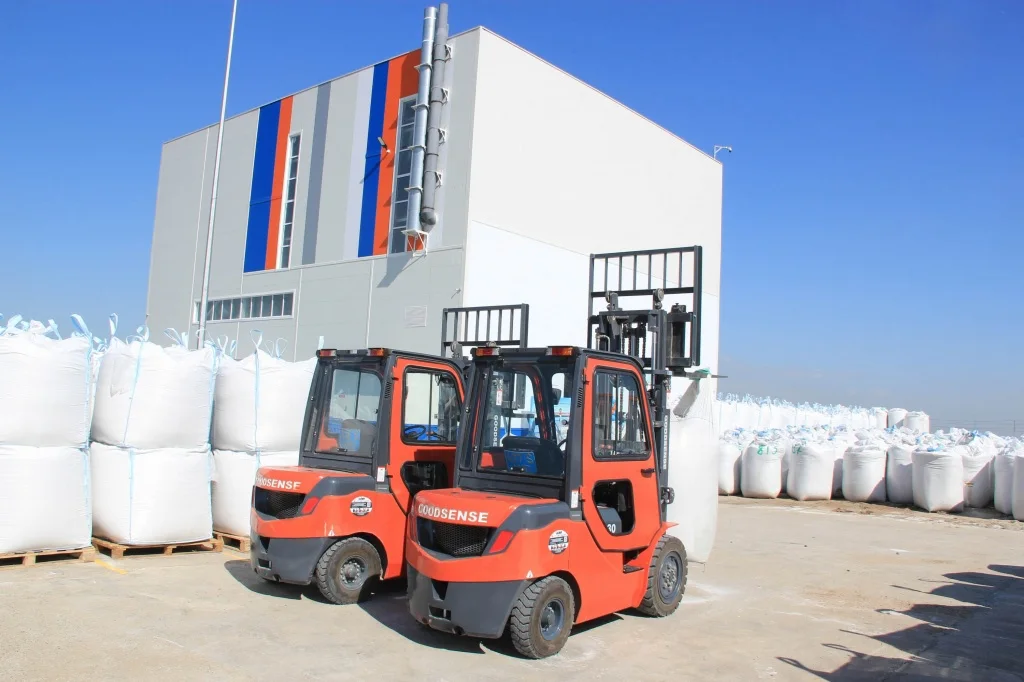
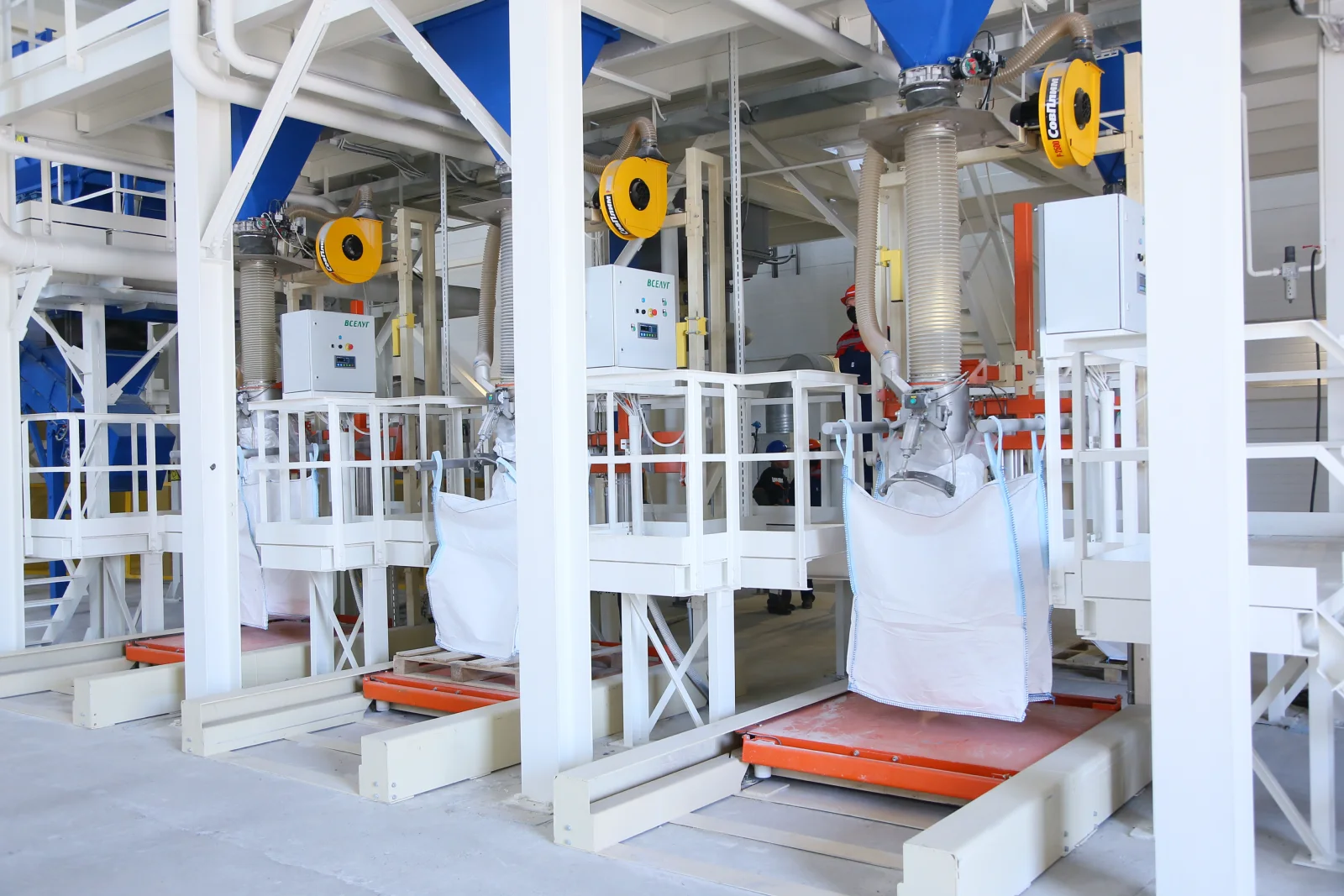
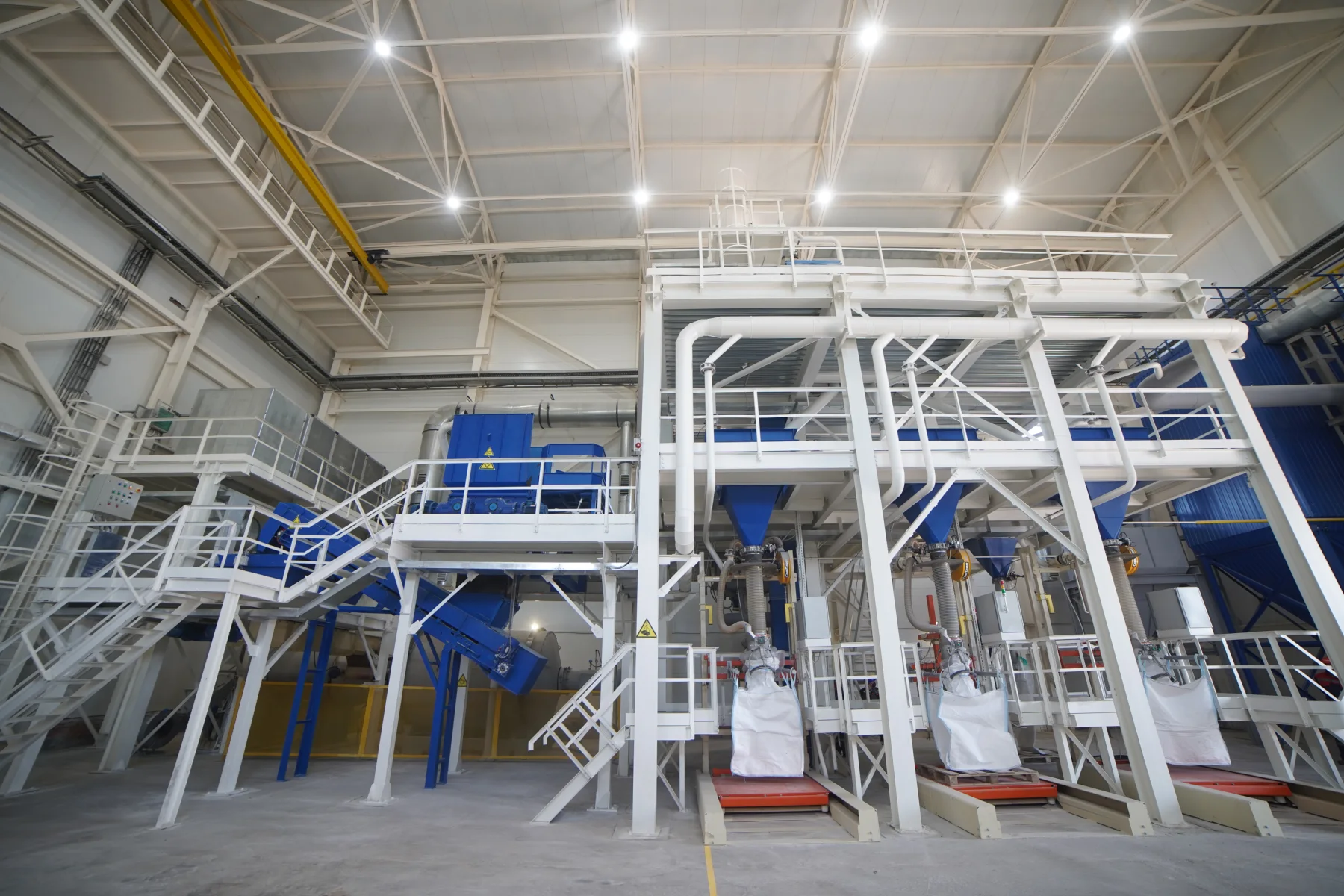
A modern production environment supports consistent handling, fraction preparation and secure bulk packaging for industrial customers.

Controlled particle fractions


Spheron produces aluminosilicate cenospheres with controlled particle distribution, low density and reliable batch-to-batch consistency.
Hollow ceramic spheres designed to reduce weight and improve thermal performance.
Cenospheres are lightweight, hollow ceramic particles formed from aluminosilicate material. Their spherical geometry helps manufacturers lower density, improve flow and engineer better thermal and dimensional performance.
Standard product grades
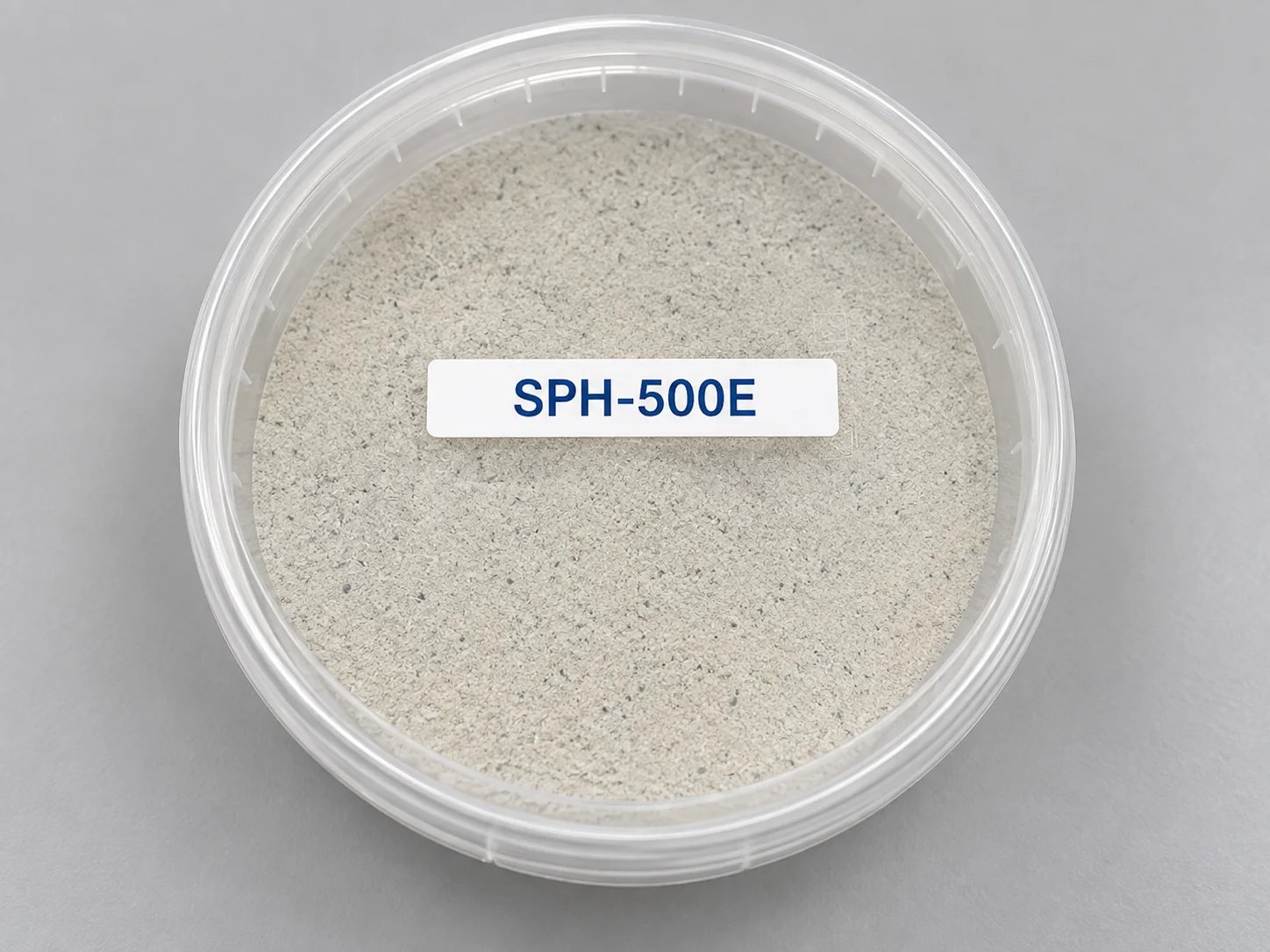
A broad 0–500 µm E-series grade for industrial formulations requiring a light grey to grey microsphere profile.
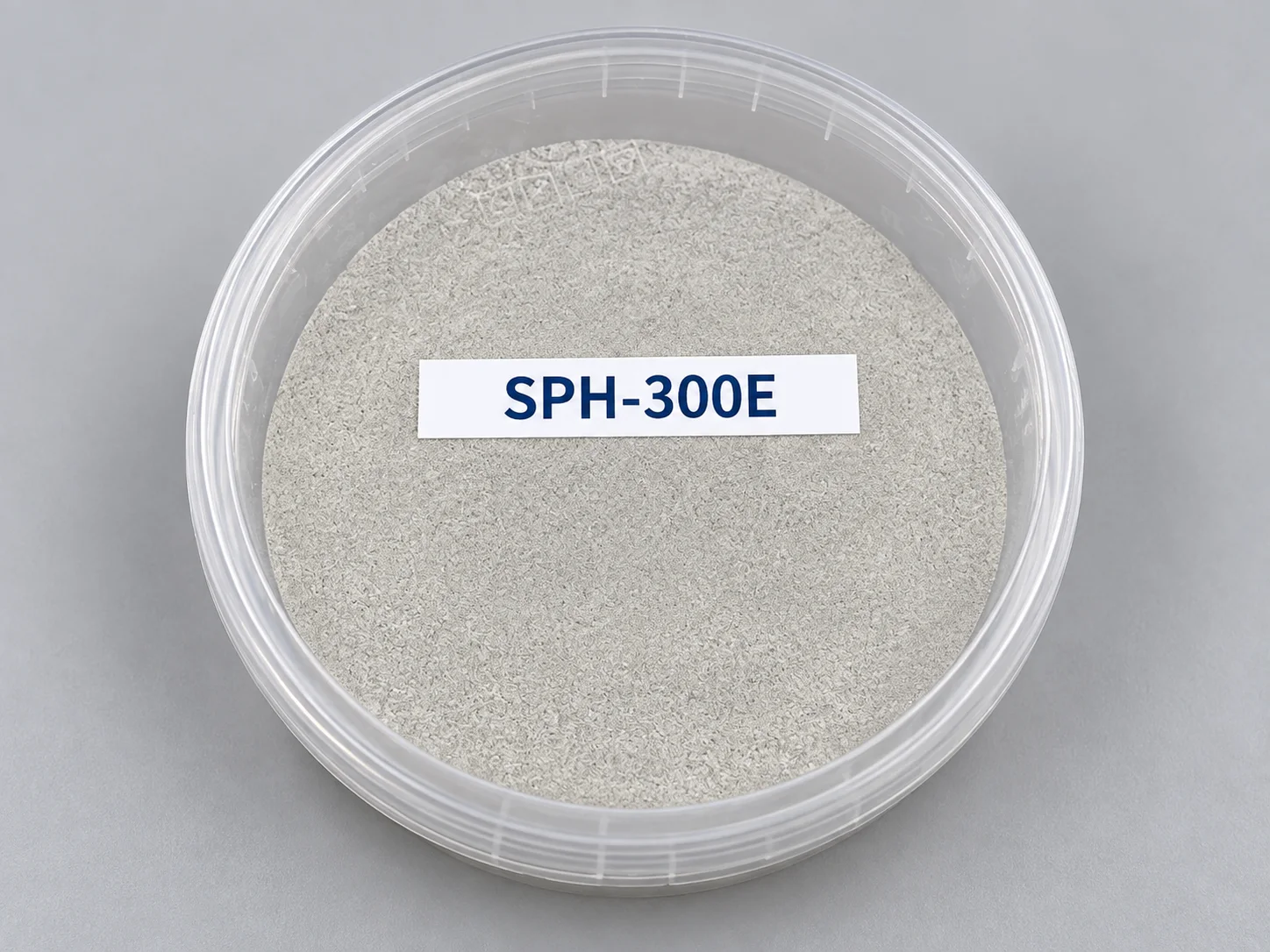
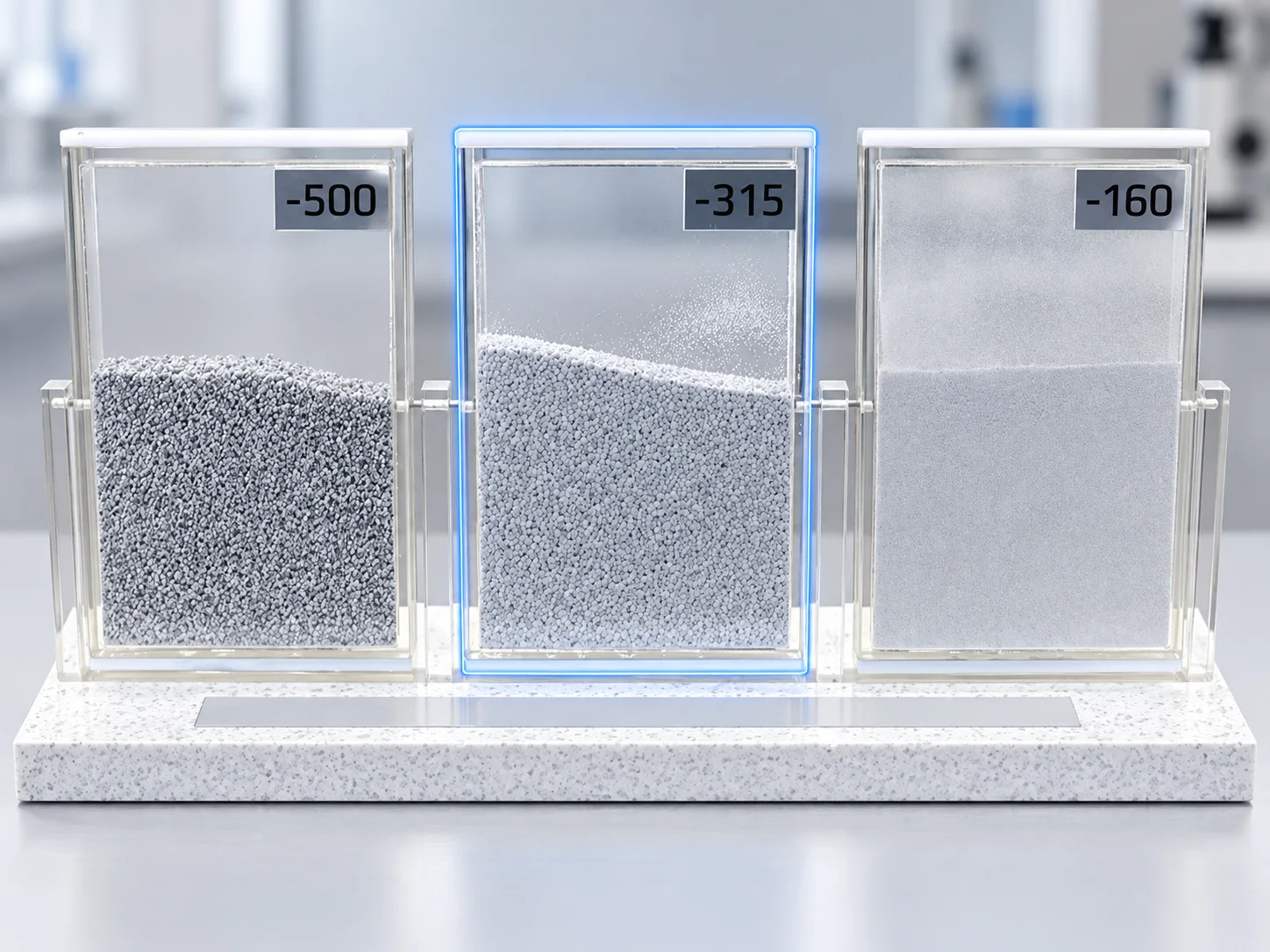
A versatile 0–300 µm E-series grade balancing controlled particle size with industrial processing flexibility.
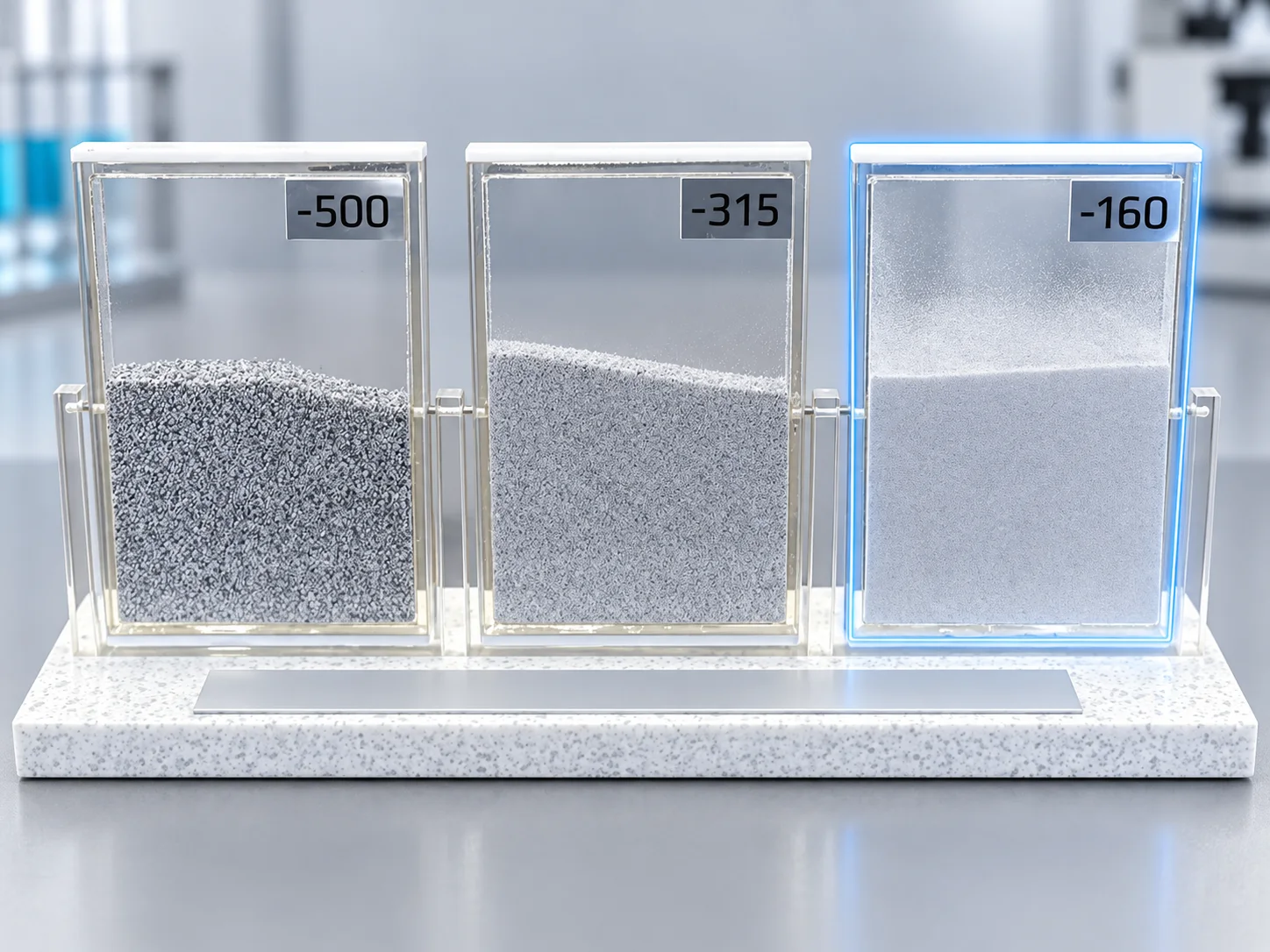
A fine 0–150 µm E-series grade for formulations where a smaller maximum particle size is required.
A versatile 0–300 µm A-series grade with a white to light grey color profile.
A fine 0–150 µm A-series grade for formulations requiring a smaller maximum particle size and lighter color.
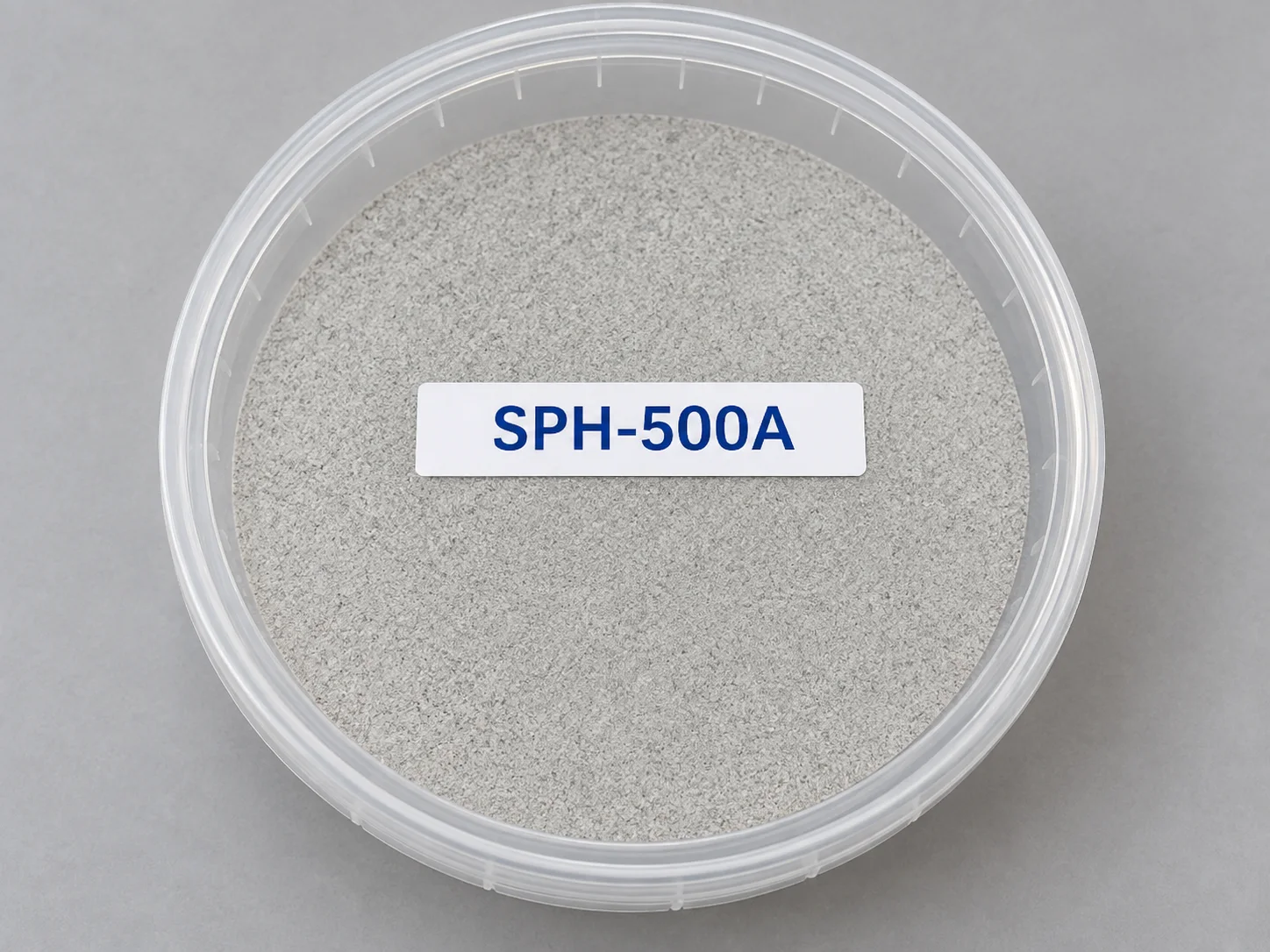
A broad 0–500 µm A-series grade for large-scale industrial formulations and construction materials.
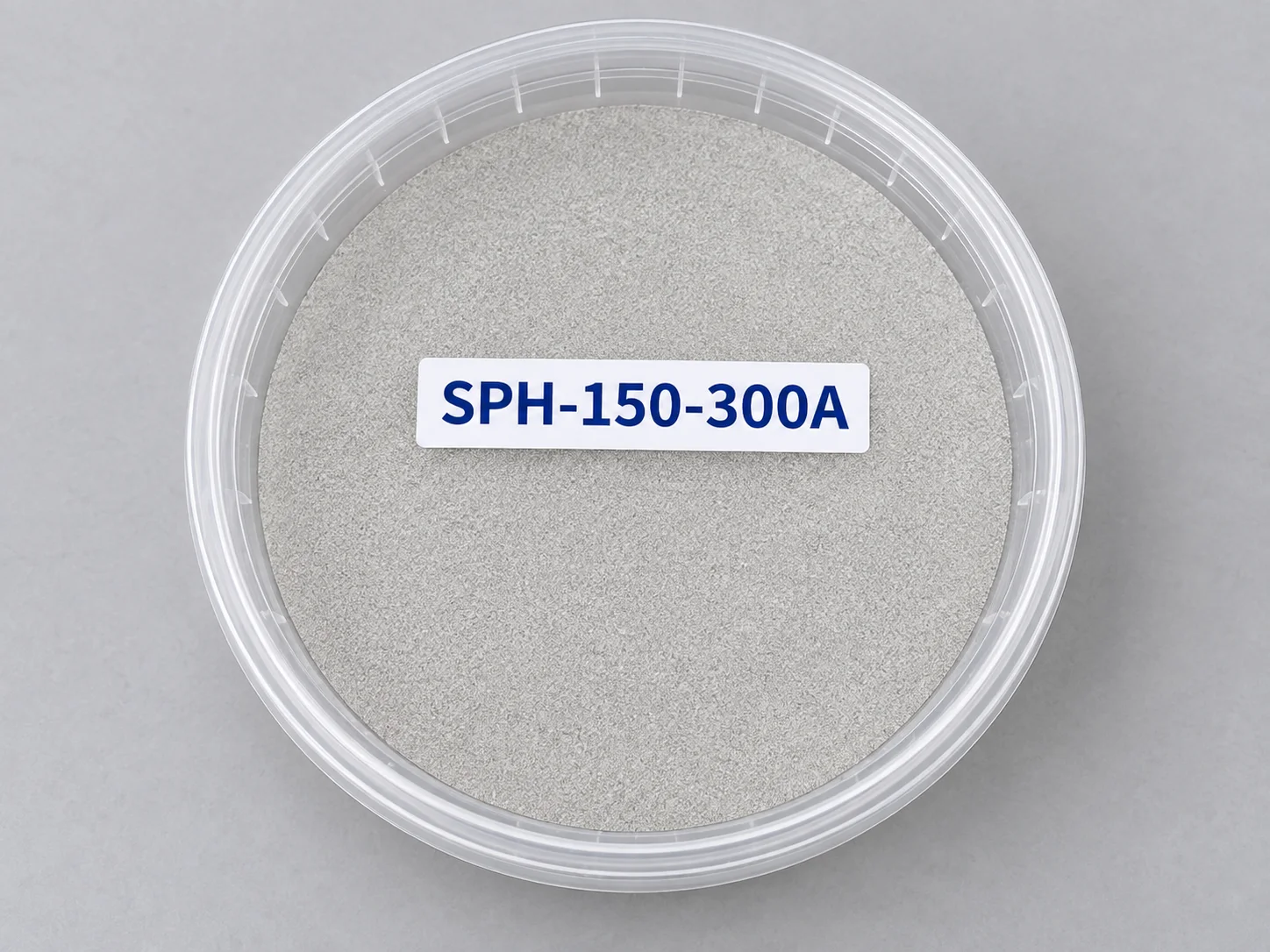
A controlled 150–300 µm A-series cut for formulations requiring a defined medium particle-size window.
A controlled 150–300 µm E-series cut with a defined medium particle-size window.
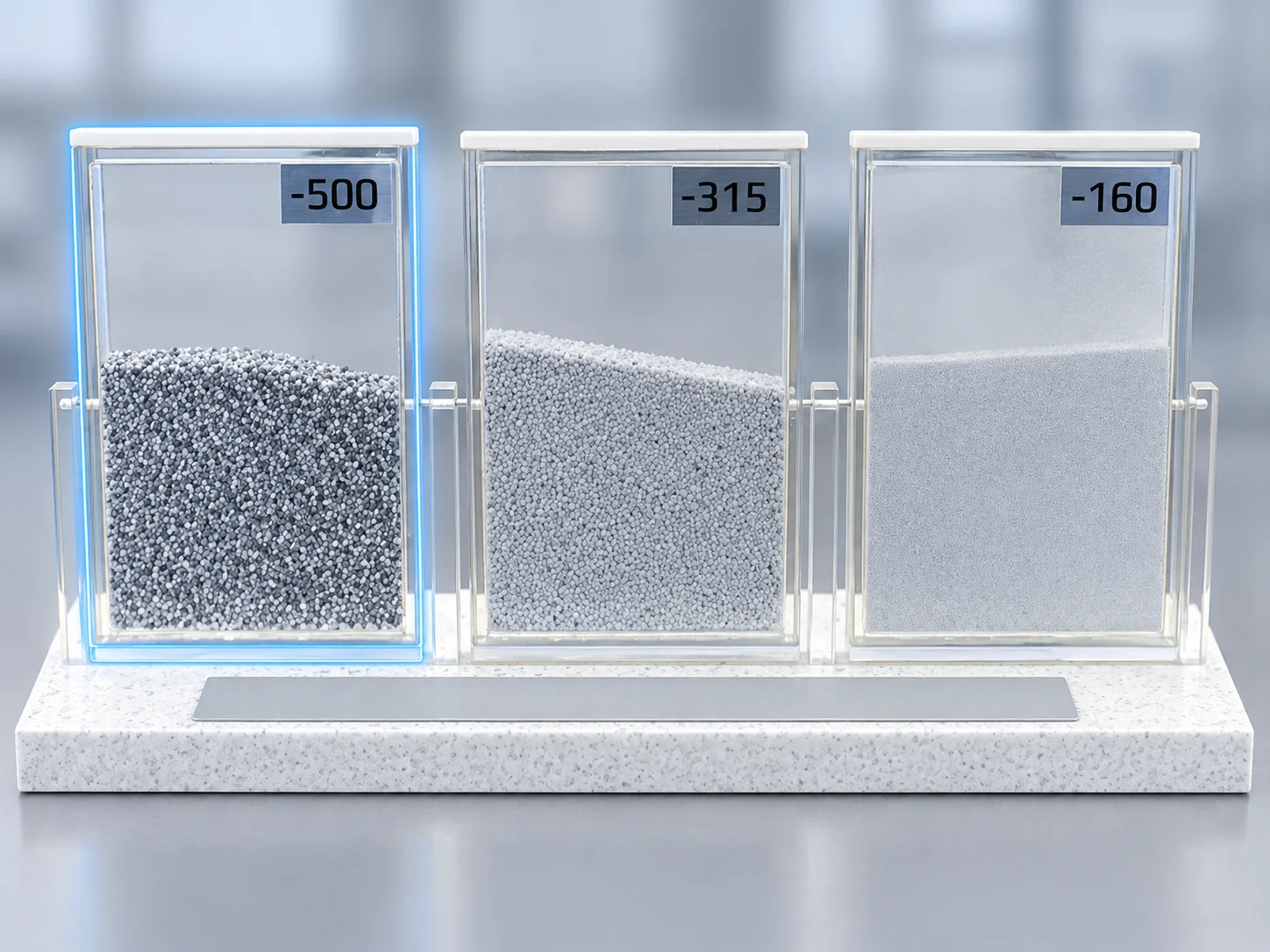
A controlled coarse 300–500 µm A-series cut with a white to light grey color profile.
A controlled coarse 300–500 µm E-series cut for formulations requiring larger microspheres.
A modern production environment supports consistent handling, fraction preparation and secure bulk packaging for industrial customers.
Material is handled through a dedicated industrial processing line.
Fractions are prepared around the requirements of the intended application.
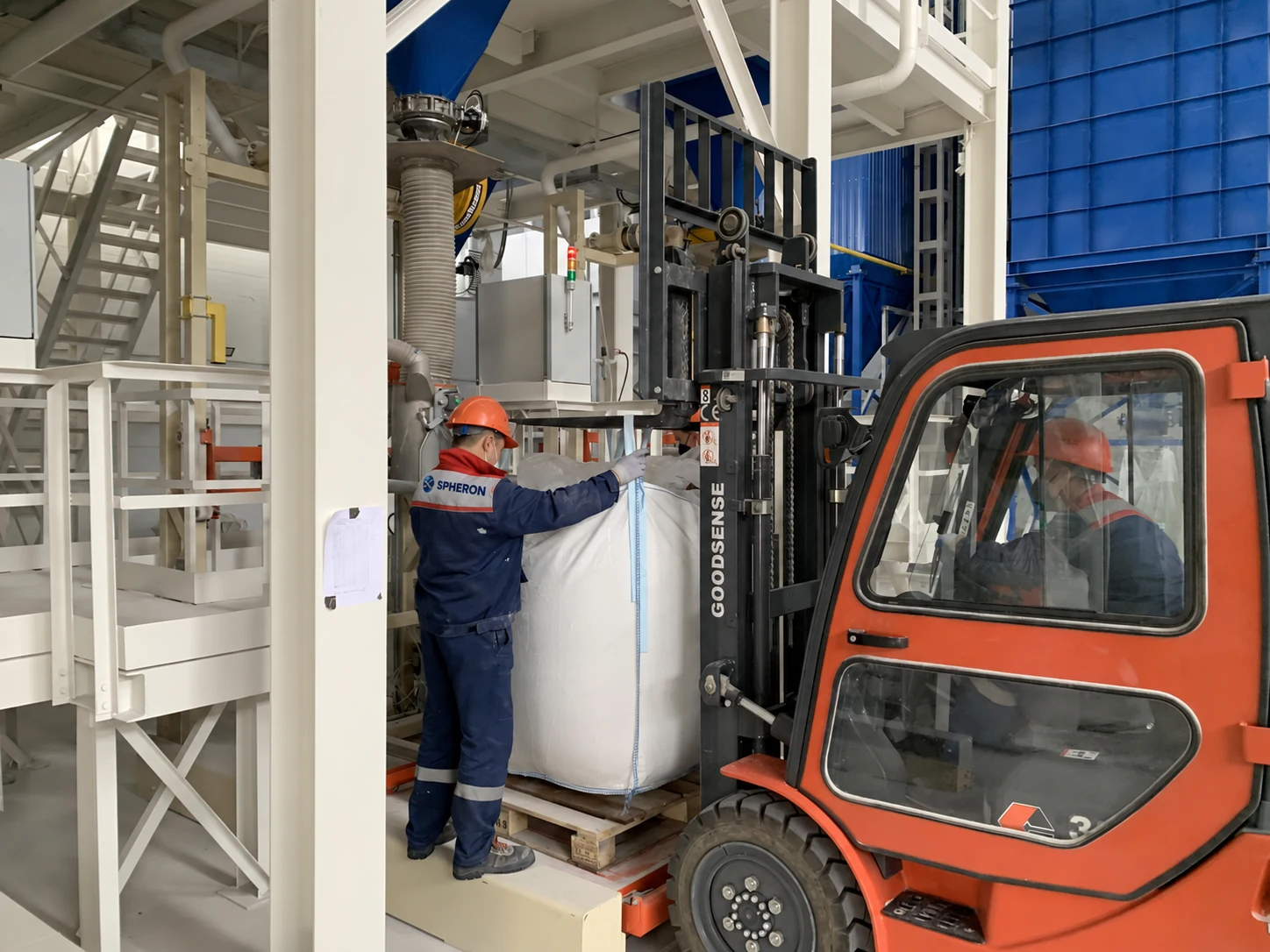
Finished material is packed in bulk bags and prepared for efficient logistics.
Standard product grades
Core quality parameters
Every grade is defined by measurable parameters, including particle size, density, moisture and chemical composition.
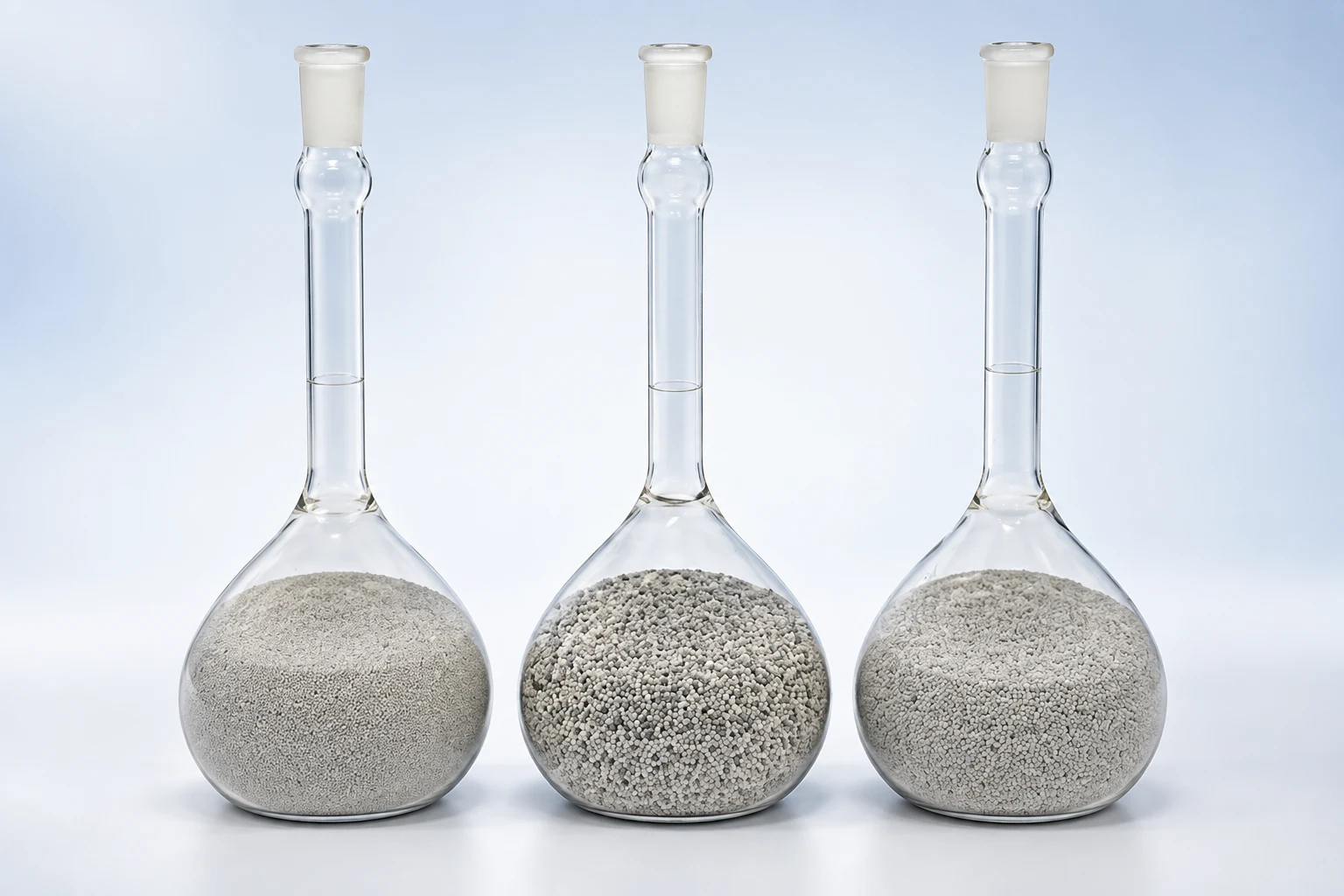
Controlled grading aligned with the selected product fraction.
A key parameter for lightweight industrial formulations.
Monitored to support reliable storage and processing.
Aluminosilicate chemistry documented for technical evaluation.
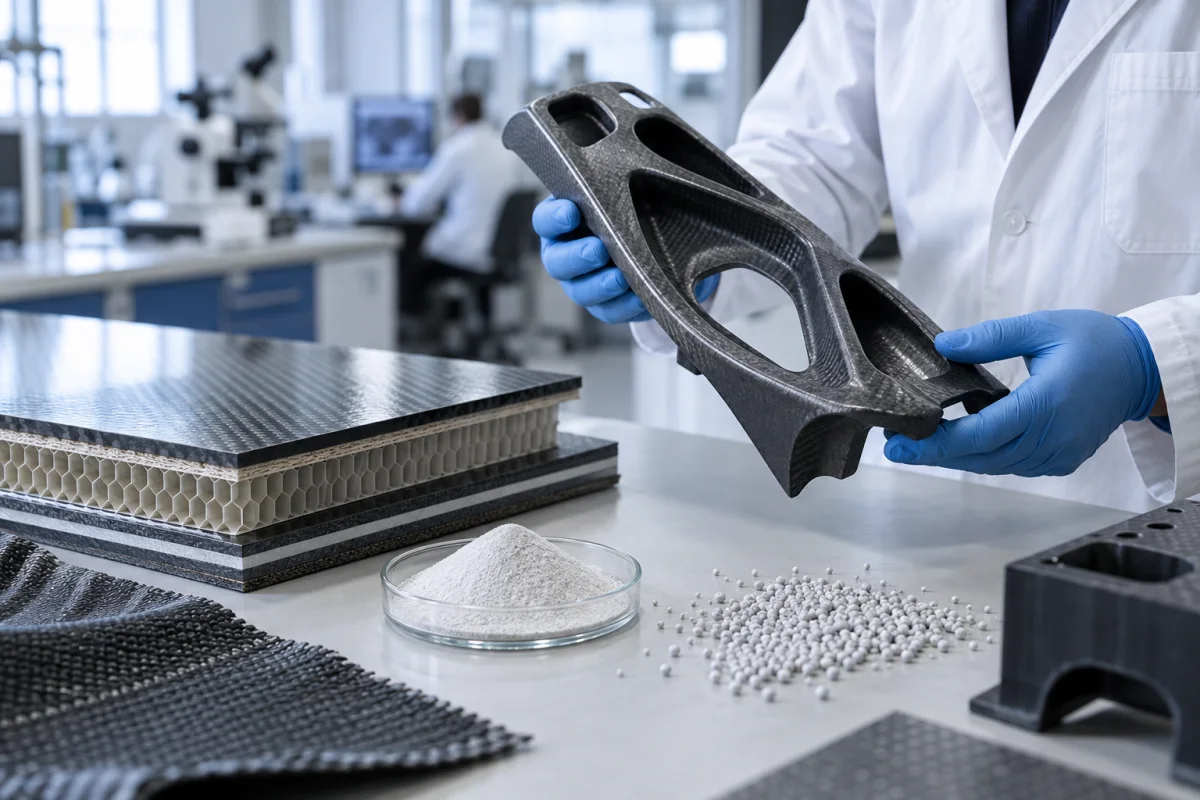
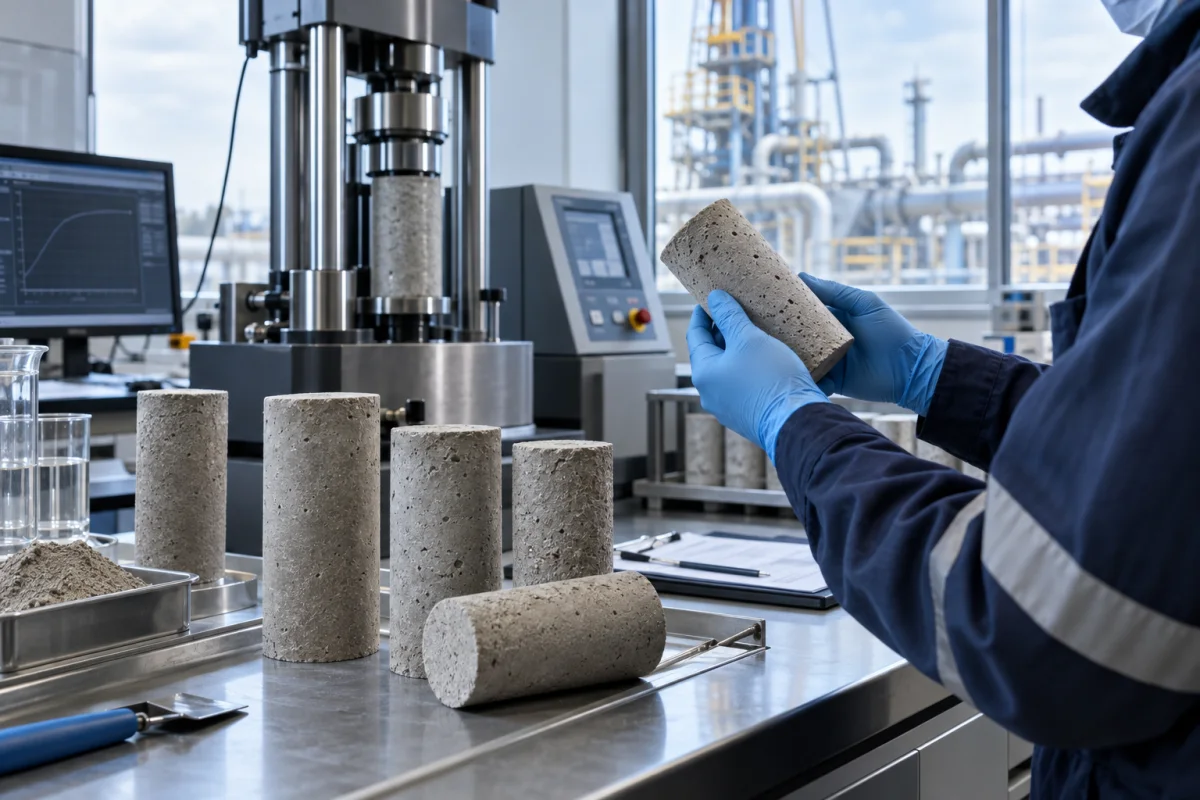
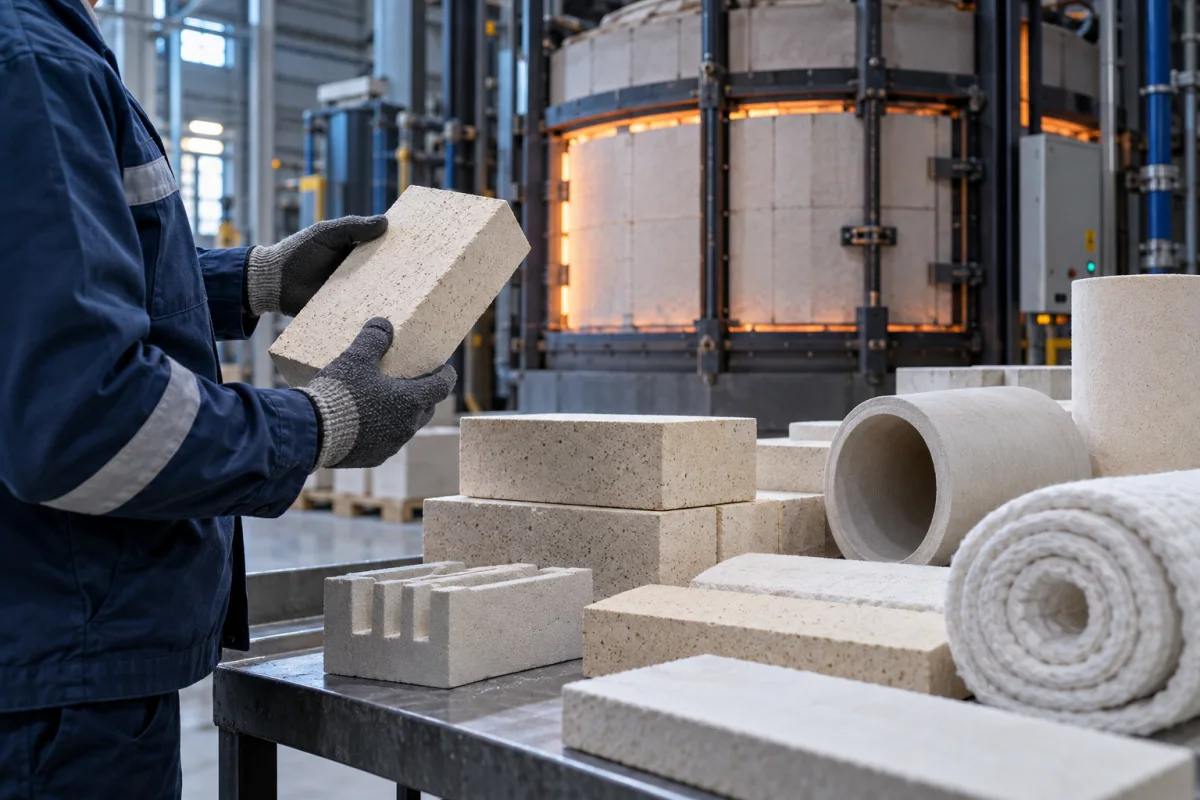
Spheron microspheres support lighter products, improved processing and better thermal performance across a broad range of formulations.


Al₂O₃ + SiO₂

Al₂O₃ + SiO₂
Real views from material recovery, processing, packing and on-site logistics.
The final grade selection depends on your formulation, processing conditions and target density.
They are lightweight, hollow ceramic particles used as functional fillers in industrial formulations.
Selection depends on the application and processing method. Share your target parameters and we will discuss a suitable starting grade.
Yes. Send the intended application and required fraction to our technical team to start the sample discussion.
Product parameters and available documentation can be provided as part of the technical consultation.