

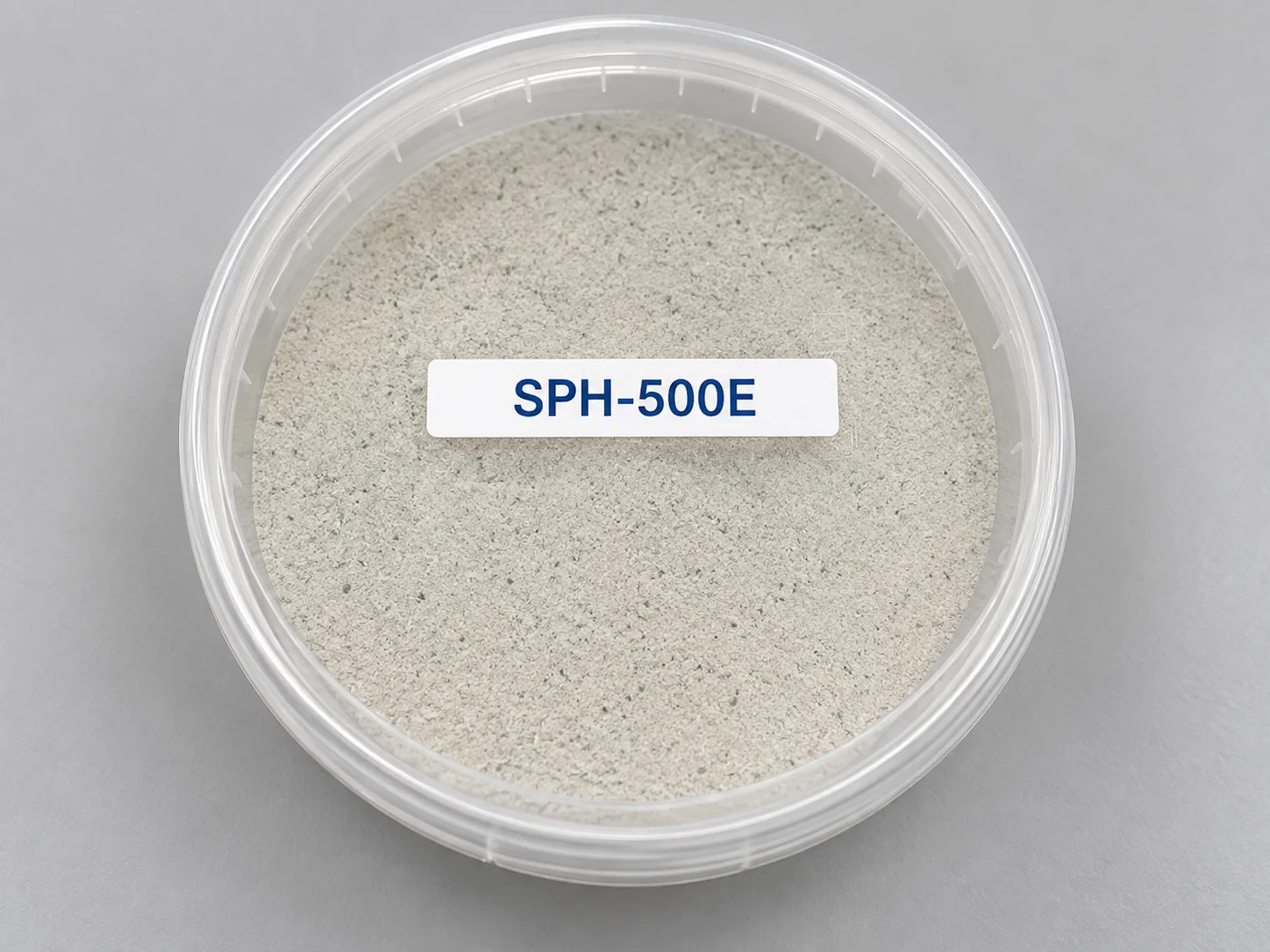
SPH-500E — 0–500 µm
A broad 0–500 µm E-series grade for industrial formulations requiring a light grey to grey microsphere profile.
The 0–500 µm range and 0.38–0.45 g/cm³ bulk density enable comparison of the E series in coarse-grade applications.
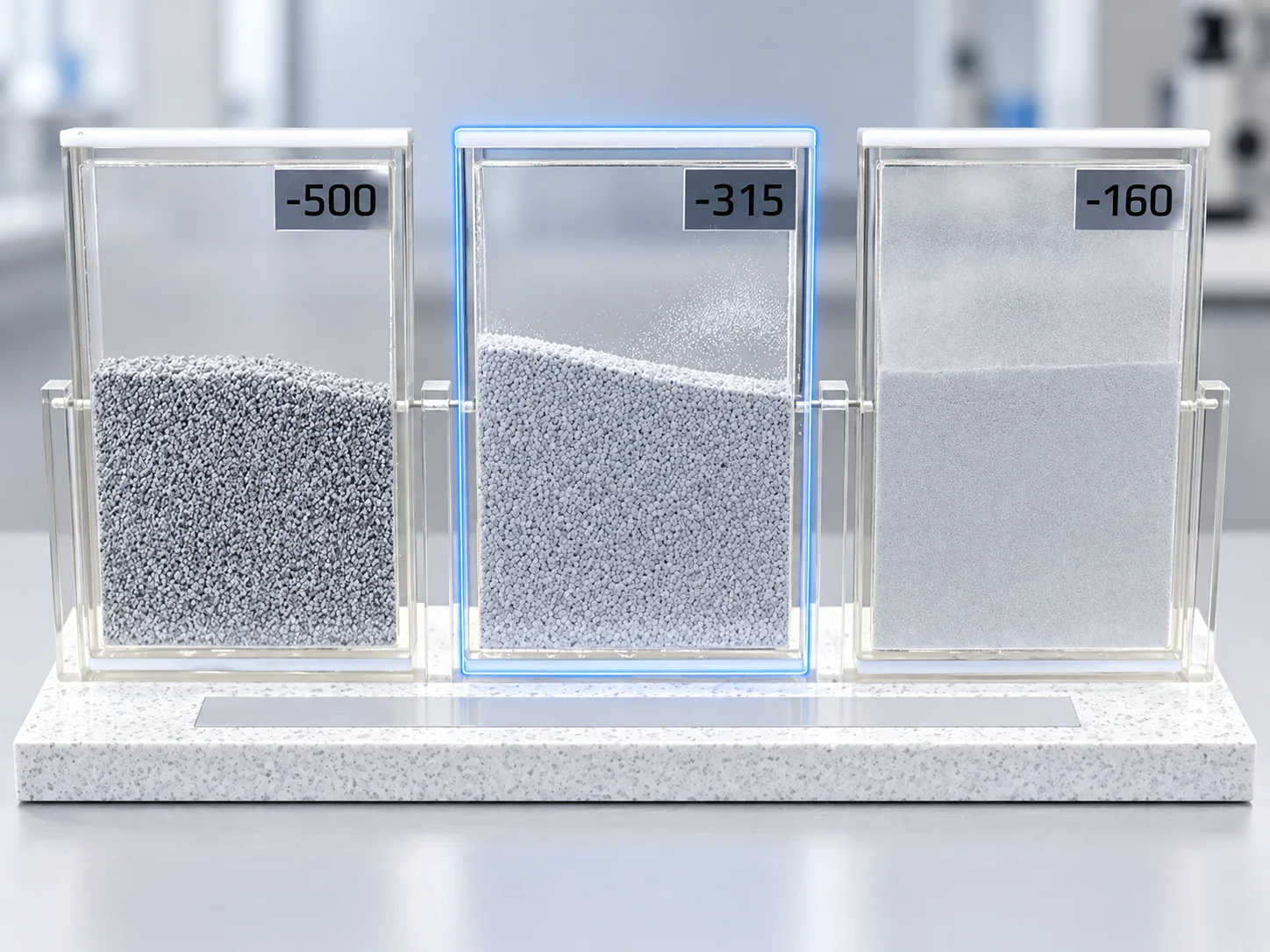
Aluminosilicate cenospheres can support lightweight castables, concretes and shaped products used at elevated temperatures. Suitability must be confirmed for the specific composition, temperature range and service conditions.
Broader fractions can suit thicker layers and formed products, while finer grading supports smoother compounds. Chemical composition, density, sinker content and resistance to the mixing process should also guide selection.
Evaluation must go beyond initial density. Compare shrinkage, residual strength, dimensional stability, thermal conductivity and structure after firing at temperatures representative of actual service.
The final grade must be validated in the target formulation and process. These products provide a practical starting point for trials.

A broad 0–500 µm E-series grade for industrial formulations requiring a light grey to grey microsphere profile.
The 0–500 µm range and 0.38–0.45 g/cm³ bulk density enable comparison of the E series in coarse-grade applications.

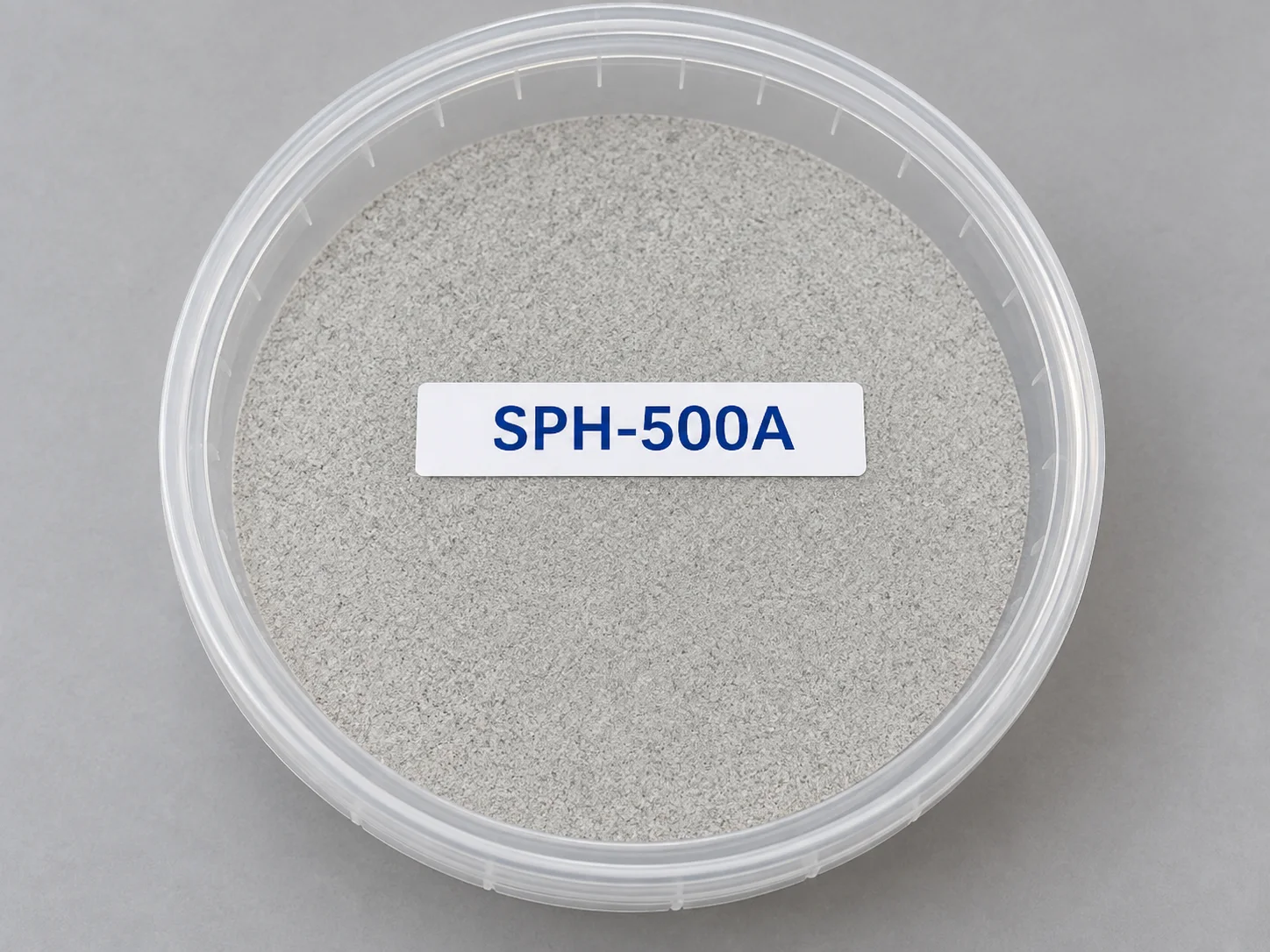
A versatile 0–300 µm A-series grade with a white to light grey color profile.
The 0–300 µm range, combined Al₂O₃ and SiO₂ above 85%, and 0.36–0.42 g/cm³ bulk density provide a trial reference.

A broad 0–500 µm A-series grade for large-scale industrial formulations and construction materials.
The broader 0–500 µm range and 0.36–0.42 g/cm³ bulk density suit trials in thicker compounds and shaped products.
A detailed review of an ULCC cenosphere study: composition, test method, residual strength up to 1000°C and implications for fire engineering.
Read insightA research-based look at the composition, density, particle size and shell structure of cenospheres formed from Ekibastuz coal.
Read insightTwo similarly named parameters describe different properties. Here is how to interpret them when designing a lightweight formulation.
Read insight