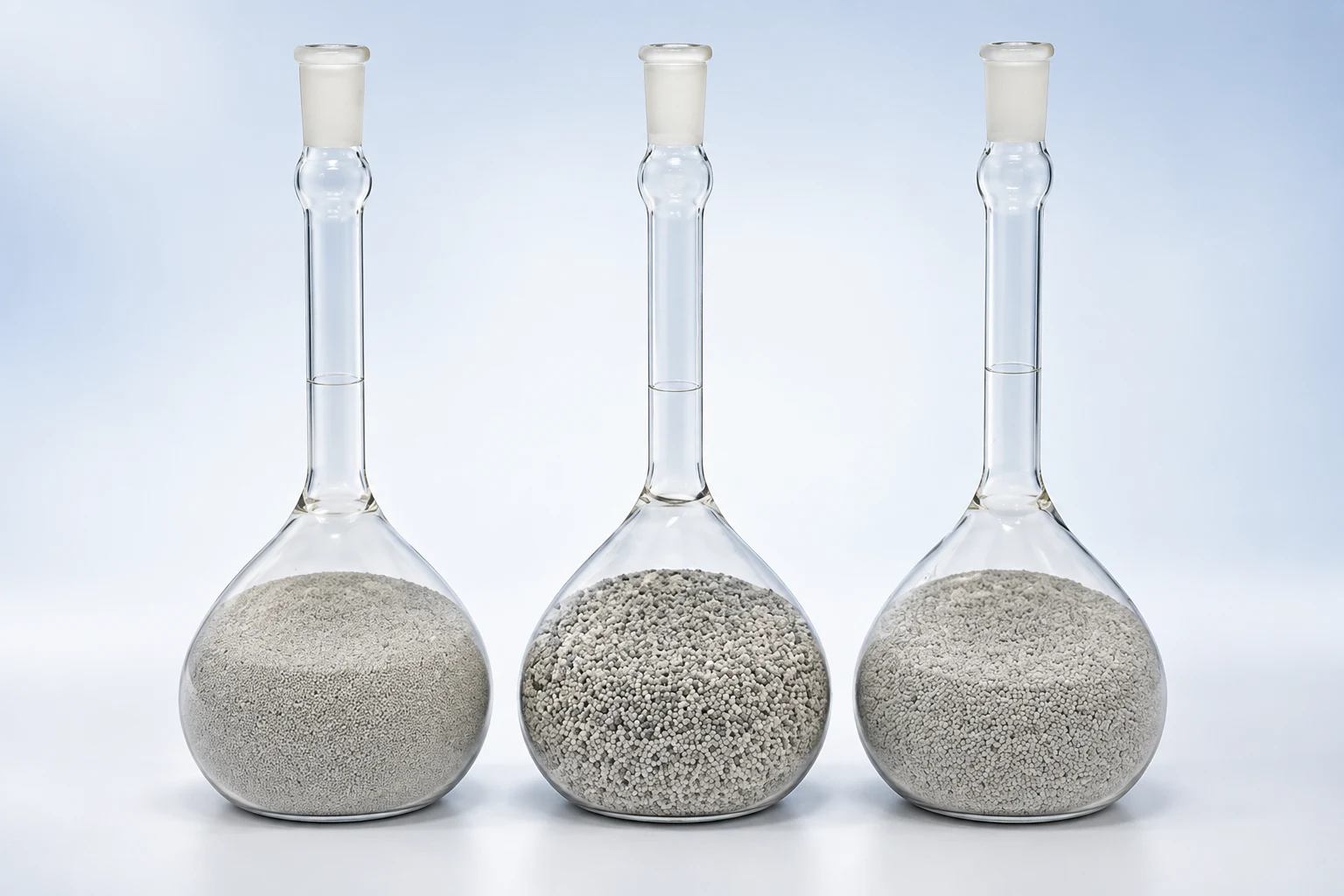
On 16 November 2026, we completed unloading another shipment of SPH-150 microspheres from our plant in Kazakhstan. The photographs show loading and unloading, along with the packaging and load securing used for the journey.
Photographs from this shipment
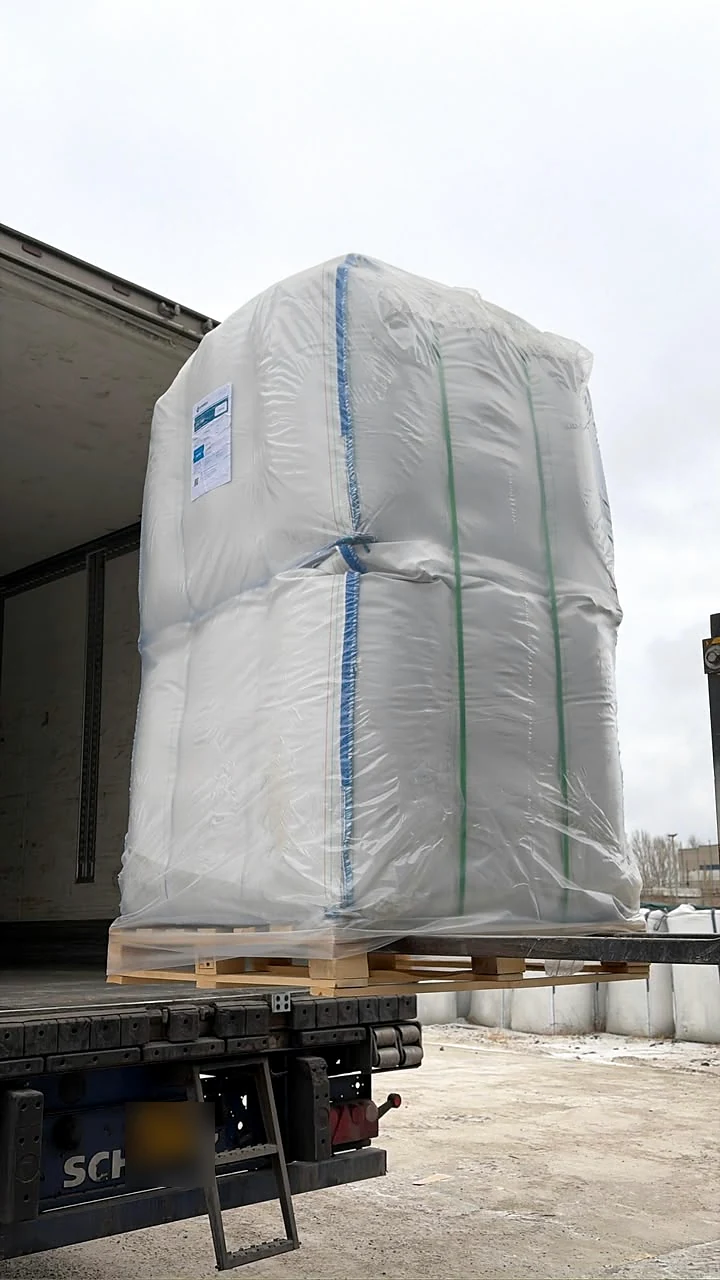
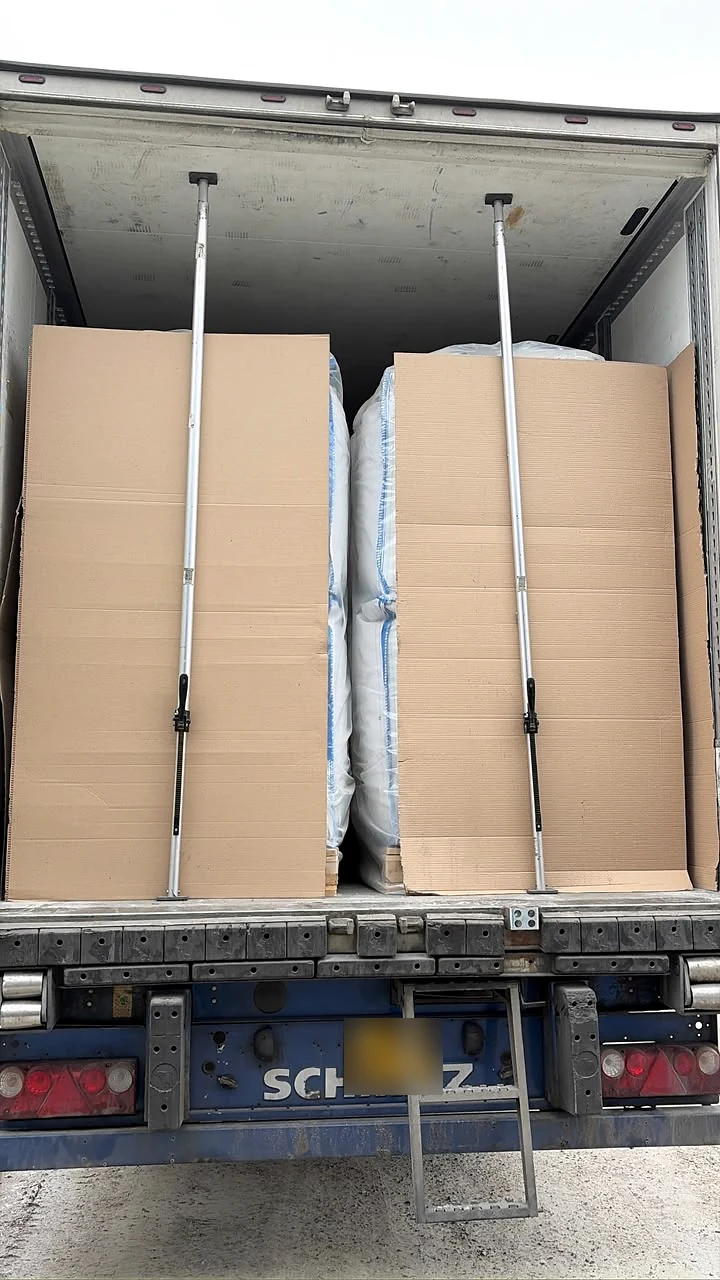
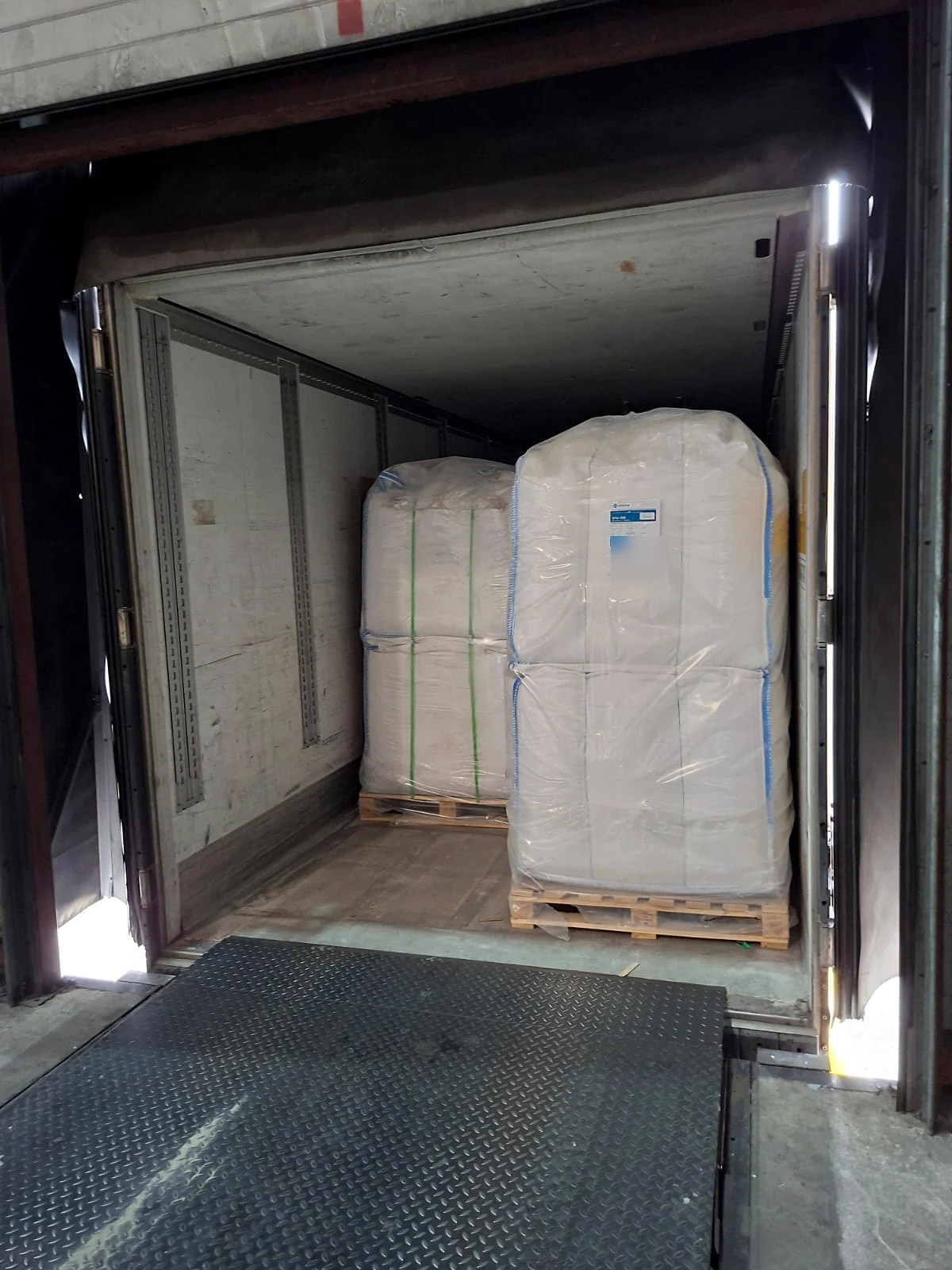
From loading in Kazakhstan to unloading at the destination
Another shipment of SPH-150 microspheres from our plant in Kazakhstan has reached its destination. We completed unloading on 16 November 2026. The photographs show how the material was prepared for the journey and handled on arrival.
Packing the bags, arranging the pallets and securing the load are all part of preparing a shipment. For powdered raw materials, careful packaging makes a difference throughout the journey, from the first lift onto the trailer to receipt at the warehouse. Our photo report follows this delivery through loading, transport preparation and unloading at the dock.
How we packed the SPH-150 microspheres
The material was packed in big bags on wooden pallets and wrapped in protective film. Protective sheets and load bars were placed inside the trailer to secure the cargo. The photographs show the pallet arrangement and the measures used to keep the load in place.
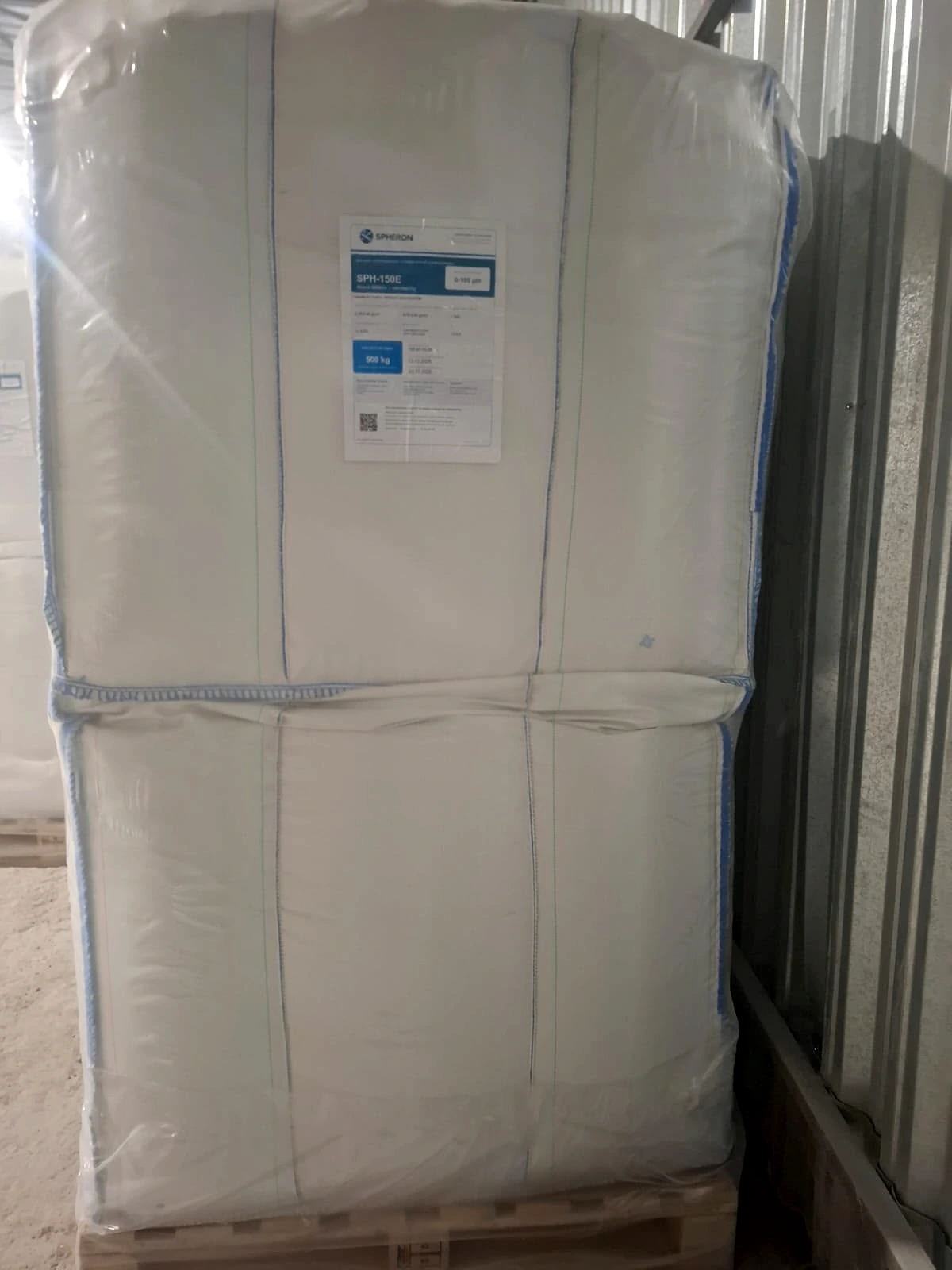 Branded packaging with the SPHERON SPH-150E label.
The SPHERON label clearly identifies the product as SPH-150E. Clear labelling, careful packing and quality control are important parts of preparing our deliveries. On receipt, the condition of the bags, film and pallets matters, along with matching the batch markings to the delivery documents.
Pallets allow the big bags to be moved by forklift, while the film provides an extra layer of protection for the packaging. This makes it easier to load, unload and move the material into the warehouse. Agreeing the arrival time and access to a loading dock or forklift in advance helps unloading run smoothly.
SPHERON aluminosilicate microspheres: product information
Aluminosilicate microspheres, also known as cenospheres, are small, hollow, spherical particles used as lightweight fillers in industry. Particle size, density and the requirements of the formulation are key considerations when choosing a product.
SPHERON offers SPH-150A and SPH-150E with a particle-size range of 0–150 µm. Each product has its own specification and data sheet. The branded packaging shown in this photo report carries the SPH-150E label.
Microspheres can be selected for dry mixes, filling compounds, paints, coatings and polymer composites. The choice depends on the properties the manufacturer wants to achieve and the production process. A trial in the intended formulation helps assess mixing, consistency and the appearance of the finished product.
Planning your next delivery
Ordering microspheres involves choosing the material and arranging its delivery. To prepare a quotation, we need a few details:
The product code or a description of the intended application.
The quantity required and your preferred delivery date.
The delivery destination and available unloading equipment.
Any requirements for packaging, pallets and documentation.
If you are choosing microspheres for a new formulation, tell us about your product and the properties you need. We can then discuss the material specifications, a sample for testing and the order details. Packaging and transport arrangements are agreed for each delivery.
Product data sheets and practical guides
Detailed specifications are available on our product pages. Our guides also explain particle-size selection and the use of microspheres in coatings:
Planning to order SPHERON microspheres? Contact us to discuss the product, packaging and delivery schedule.
Questions about the delivery and SPH-150 microspheres
Where did the shipment in the photographs come from?
The SPH-150 microspheres came from our plant in Kazakhstan. We completed unloading on 16 November 2026.
How were the microspheres packed for transport?
The microspheres were packed in big bags on wooden pallets and wrapped in protective film. Protective sheets and load bars secured the cargo inside the trailer.
How do I choose between SPH-150A and SPH-150E?
Compare the specifications in the two product data sheets with your formulation requirements. Both products have a particle-size range of 0–150 µm, and each has its own specification. Tell us about your application if you would like help choosing.